
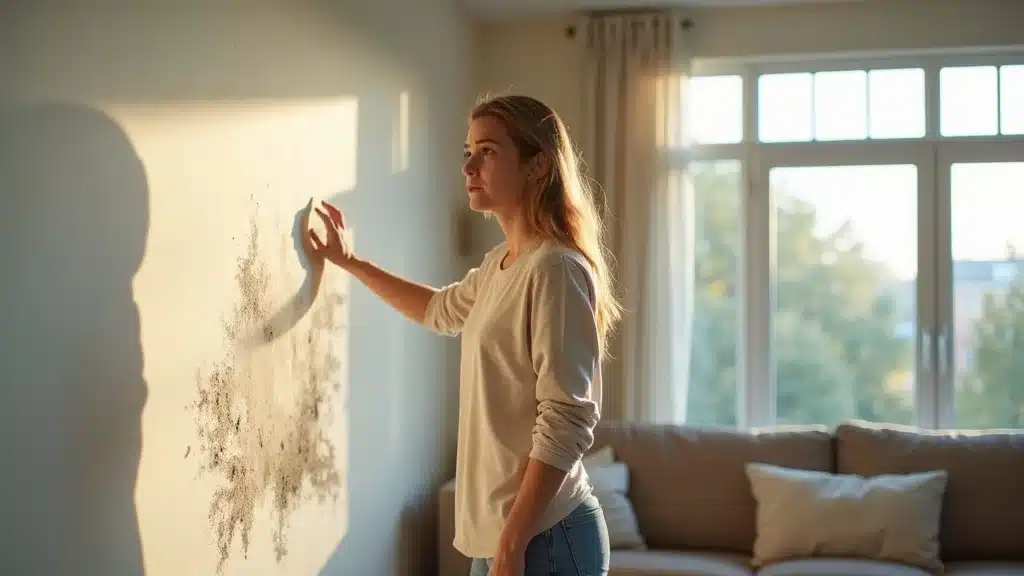
“Did you know that over 50% of homes in Columbia face mold issues from improper drying and dehumidification after water damage? Taking prompt action can save thousands in restoration costs and preserve your property value.”
What You’ll Learn About Drying and Dehumidification
- The basics of drying and dehumidification for water damage and mold prevention
- How the dehumidification process works in damage restoration
- Common causes and warning signs of excess moisture and mold risk
- Essential drying equipment and processes for affected areas
- Action steps for effective water damage restoration in Columbia SC
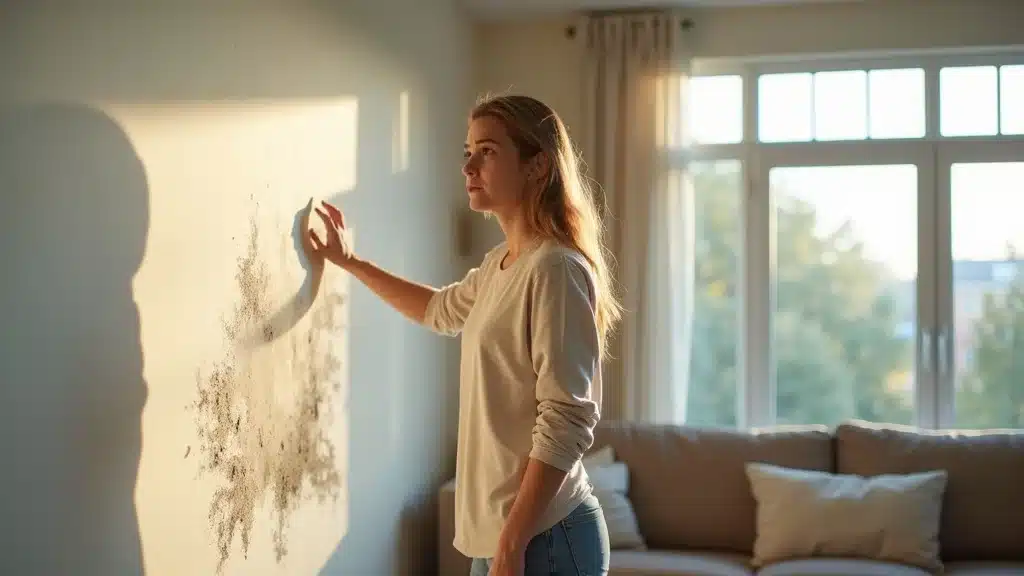
If you live in Columbia, SC, the risk of water damage and mold growth is more real than you might think. Statistics show that more than half of homes in the area experience mold problems—often triggered by improper or delayed drying and dehumidification after even minor water incidents. Ignoring moisture can silently lead to mold, harm your home’s structure, and dramatically decrease its value. Fortunately, acting proactively with the right knowledge and tools can make all the difference. This guide walks you through drying and dehumidification essentials, ensuring your property stays safe, healthy, and mold-free.
Understanding Water Damage: The Role of Drying and Dehumidification
Columbia’s humid climate and heavy rains make water intrusion nearly inevitable. The drying and dehumidification process is critical for more than just cleanup; it’s the first step in water damage restoration and protection against persistent mold growth. When excess water sits on your floors or soaks into building materials, it doesn’t just disappear—it seeps deeper, threatening the structural integrity of your home. As moisture lingers, it elevates the risk of costly property damage, including warped floors and toxic mold colonies.
Professional damage restoration companies know how quickly water damage can escalate if not handled with industry-standard drying and dehumidification. Specialized equipment such as air movers, dehumidifiers, and moisture meters are crucial because they not only dry visible surfaces but also target trapped water within walls and floors. In Columbia, taking timely action prevents persistent musty odors, lingering moisture, and chronic respiratory problems associated with mold exposure. In the following sections, you’ll discover exactly how to recognize, tackle, and resolve water damage issues to protect every affected area of your home.
For homeowners who want a deeper understanding of how mold develops and the most effective ways to address it, exploring comprehensive mold removal and remediation strategies in South Carolina can provide valuable, actionable insights that complement your drying and dehumidification efforts.
How Water Damage Leads to Mold in Columbia SC
Water damage can attack silently, especially after severe storms, plumbing failures, or even minor leaks. In the warm, wet climate of Columbia, excess water left untreated raises humidity to dangerous levels, creating a prime breeding ground for mold. Mold growth typically begins within 24 to 48 hours after a water incident, quickly spreading beneath floors, behind walls, and throughout building materials. As spores multiply, they feed on organic material in wood, drywall, and insulation, leading to structural damage that may only become obvious after serious harm is done.
Complicating matters, some water-damaged areas may appear dry to the touch but retain high moisture content underneath. The unseen presence of water vapor or puddles on surfaces, combined with Columbia’s high dew point, makes parts of your home dangerously hospitable to toxins and allergens. By understanding how quickly a water leak can escalate, homeowners are empowered to take swift, educated action and stop mold growth in its tracks.
Why Prompt Drying and Dehumidification is Critical
When dealing with water damage, time is of the essence. The longer excess water remains, the higher the moisture migrates into walls, subfloors, and furniture. Immediate drying and dehumidification prevents widespread destruction while reducing expensive repairs. In Columbia’s humid environment, materials retain moisture from the air far longer, intensifying the risk of mold. Even a short delay in starting the drying process can lead to mold infestations that threaten both health and property.
Initiating damage restoration quickly with proper equipment supports more efficient water removal and complete moisture extraction, protecting both visible and hidden surfaces. By keeping relative humidity below 60% (ideally under 50%), you minimize the conditions for spores to thrive. Professional restoration crews understand the urgency: the faster they respond, the more likely your home can be restored without long-term side effects or lingering contamination.
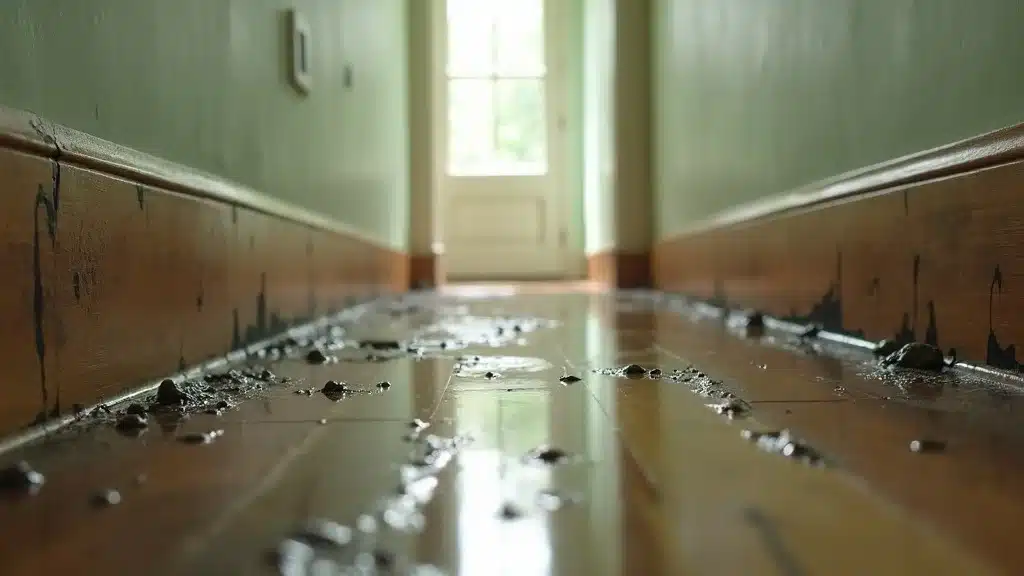
The Drying and Dehumidification Process Explained
The drying and dehumidification process is a structured approach that ensures every affected area is safely brought back to pre-damage conditions. This process involves more than opening windows or using everyday fans; it’s about scientifically measuring moisture, selecting the right equipment, and tracking progress until full dryness is confirmed. Proper technique prevents hidden property damage that could manifest weeks or months after the initial incident.
Start by halting the water source—whether it’s a burst pipe, leaking roof, or a natural disaster. Next, professionals use extraction devices to remove standing water while strategically placing air movers and dehumidifiers to accelerate evaporation. Continuous monitoring with moisture meters ensures all interior spaces, including behind floors and walls, reach optimal dryness. The process doesn’t end until humidity and moisture levels are at safe, industry-recommended thresholds, guaranteeing your home’s structural integrity is truly restored.
Step-by-Step Water Damage Restoration Using Drying and Dehumidification
- Identifying and stopping the water leak: Immediate assessment and shutting off the source is crucial for halting the development of water damage and mold growth.
- Assessing excess water and affected area: Restoration experts inspect visible and concealed spots using moisture meters, thermal cameras, and visual checks for mold, swelling, or staining.
- Using proper drying equipment: High-velocity air movers and commercial-grade dehumidifiers are deployed strategically to dry both surface areas and deep building materials efficiently.
- Dehumidification process: Removing excess moisture: Dehumidifiers capture moisture from the air, rapidly reducing relative humidity and speeding up the restoration process. By managing dew point and air flow, effective water removal is achieved.
- Verification and monitoring of structural drying: Technicians take regular readings with moisture meters to ensure all affected areas, such as subfloors, walls, and ceiling cavities, achieve safe moisture content before repairs or reconstruction.
Choosing the Right Drying and Dehumidification Equipment
Selecting the proper drying equipment and dehumidifiers is one of the most critical steps in ensuring a successful recovery from water damage. The best tools not only speed up the drying process but also address hidden moisture trapped in your home’s framework and foundation. Effective damage restoration means understanding which equipment suits the size of your affected area and the severity of your water problem.
For small leaks, portable air movers and household dehumidifiers might suffice. Larger flooding events, however, require industrial-grade solutions capable of extracting excess water over large spaces and deep into porous building materials. Restoration companies in Columbia SC combine air movement, moisture measurement, and humidity control for thorough, lasting results.
Types of Drying Equipment for Excess Water Removal
There are several types of drying equipment used in water damage restoration, each serving a specific purpose in the restoration process. Air movers accelerate airflow, drying wet surfaces quickly, while commercial dehumidifiers remove moisture from the air and decrease relative humidity throughout the affected area. Desiccant dehumidifiers offer advanced moisture removal in cases of severe flooding by reducing the dew point.
Additional tools, like moisture meters, thermal imaging cameras, and heaters, work together to speed up evaporation and verify every inch of the affected structure meets required dryness levels. The combination of these technologies ensures both surface and sub-surface areas are thoroughly treated—essential to prevent mold growth and ongoing property damage.
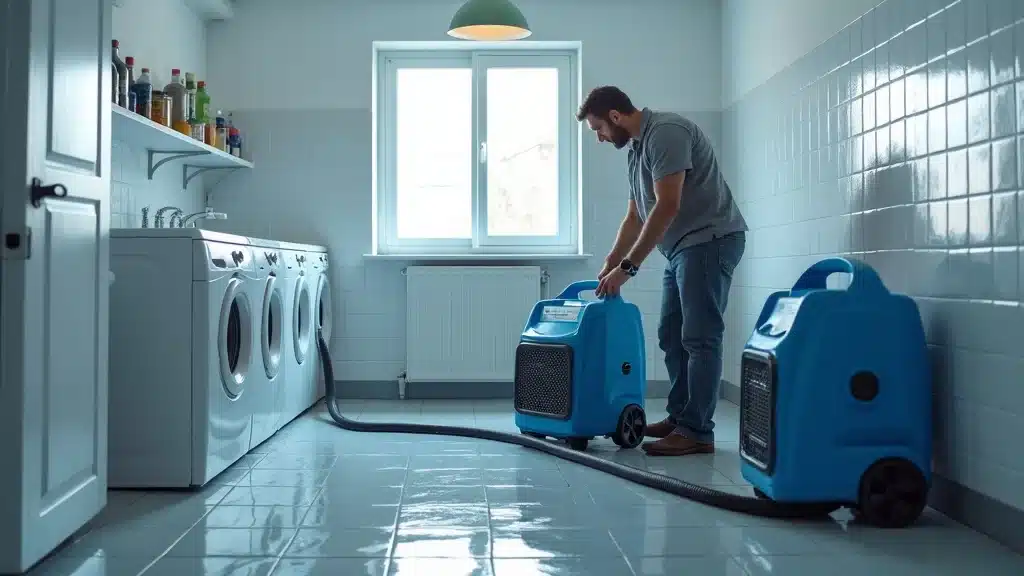
Selecting a Dehumidifier: Key Considerations for Columbia Homes
When selecting a dehumidifier for water damage or routine prevention in Columbia homes, it’s essential to account for the room’s size, average humidity, and the severity of excess moisture. Industrial dehumidifiers used by professionals are powerful enough to handle sudden influxes of water and prevent long-term structural damage, while smaller residential units might suffice for minor incidents or chronic dampness.
Key features to look for include the machine’s capacity (measured in pints per day), adjustability of settings, durability, and integrated moisture sensors. Professional advice or a consultation will help you determine whether you need a commercial unit or multiple residential systems. In Columbia’s humid climate, choosing a model that can sustain prolonged operation without failing is also wise. Don’t forget to check for energy efficiency if you plan to run the device often.
| Equipment Type | Best Use Case | Capacity | Ideal For |
|---|---|---|---|
| High-Velocity Air Movers | Quickly dry floors and surfaces after a water leak or flood | Medium/Large Rooms | Initial water damage restoration |
| Commercial Dehumidifiers | Extract excess moisture from air and building materials | Up to 150 pints/day | Large affected areas, severe leaks |
| Residential Dehumidifiers | Manage recurring condensation and minor water incidents | 20–50 pints/day | Single rooms or basements |
| Desiccant Dehumidifiers | Dry spaces in low temperatures, severe saturation | Varies | Specialized structural drying |
| Moisture Meters | Monitor real-time moisture content in materials | N/A | Verification & monitoring |
Signs of Excess Moisture and Water Damage in Your Home
Recognizing the warning signs of excess moisture and water damage early is key to preventing expensive repairs or hazardous mold outbreaks. Homeowners in Columbia should routinely check for visible and subtle changes throughout their property, especially after storms or plumbing issues. Early detection allows for prompt intervention with drying and dehumidification, stopping long-term property damage before it starts.
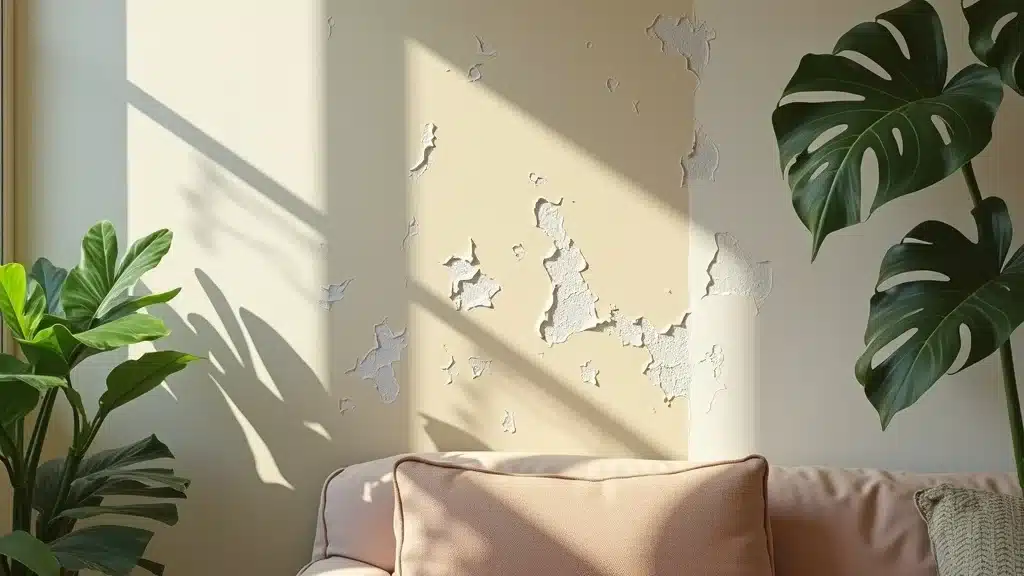
Common signs include musty odors, peeling wall coverings, and wave patterns in floors. Stay alert for warping, discoloration, or condensation on surfaces, which often signal that excess water is affecting walls, subfloors, or ceilings. The sooner these symptoms are addressed, the less likely you are to face major water damage restoration or mold remediation.
- Peeling paint or wallpaper
- Musty odors in affected area
- Visible mold on surfaces
- Warped flooring or ceilings
- Recurring condensation
Professional Damage Restoration vs. DIY: What’s Best for Columbia SC Homeowners?
Choosing between professional restoration services and do-it-yourself solutions is a major decision after water damage. While DIY options might work for minor leaks or small wet patches, they often fall short for extensive or hidden damage. Professionals bring expertise, advanced tools, and experience with complex Columbia homes, ensuring thorough drying and dehumidification for every affected area—critical to preventing mold growth, structural damage, and loss of property value.
Professional technicians use thermal cameras, moisture meters, and industrial-grade equipment to reach beyond surface symptoms. Their approach is systematic, embracing best industry practices for monitoring, verification, and risk elimination. DIY attempts may miss residual moisture, especially in insulation or subfloors, causing unseen issues to fester. By opting for specialists, you guarantee both immediate results and long-term peace of mind.

“The speed and thoroughness of professional drying and dehumidification after a flood can make the difference between minor repairs and massive mold remediation.”
People Also Ask About Drying and Dehumidification
What is the difference between drying and dehumidification?
Drying involves removing visible or surface water, typically with air movers and fans, to evaporate liquid as quickly as possible. Dehumidification goes further by extracting moisture from the air or deep within materials, ensuring humidity drops to safe levels. Both are essential for water damage restoration—drying handles excess water you can see, while dehumidification tackles the hidden dangers you can’t.
At what humidity should I use dry mode?
Use the dry mode feature on your air conditioning or dehumidification unit when relative humidity in your home exceeds 60%. For optimal protection against mold in Columbia SC, maintain indoor humidity around 45–50%. In hot and humid conditions, or after water damage, deploying dehumidification quickly prevents mold and further property damage.
How many hours a day should you run a dehumidifier?
A dehumidifier should generally run for 12 to 16 hours per day after water damage, or until moisture meters show the affected areas are at normal levels. If you’re addressing chronic excess moisture, running it continuously during humid months is recommended. Always follow the manufacturer’s guidance and consult professionals for large-scale restoration processes.
What is structural drying and dehumidification?
Structural drying is a meticulous process targeting trapped water within floors, walls, and building materials. It combines air movers to speed up evaporation and large-capacity dehumidifiers to capture resultant water vapor, bringing the structure’s moisture content to safe levels. Expert monitoring ensures both surface and concealed areas reach required dryness standards, reducing future risk of damage.
FAQs: Drying and Dehumidification for Water Damage Restoration
- How quickly should drying and dehumidification be started after water damage?
Within the first 24 hours. Immediate action helps limit structural damage and mold growth, safeguarding both your property and family’s health. - What are the risks of delayed dehumidification in Columbia’s humid climate?
Delayed response increases the risk of severe mold, long-term structural integrity loss, bad odors, and high restoration costs due to deeply saturated building materials. - Are there eco-friendly options for water damage restoration?
Yes, many restoration companies in Columbia SC offer environmentally-friendly cleaning agents, energy-efficient equipment, and sustainable drying processes to reduce environmental impact while restoring your home.
Key Takeaways for Drying and Dehumidification in Columbia SC
- Act fast and use proper drying and dehumidification equipment after any water damage.
- Monitor affected areas for signs of excess moisture to prevent mold.
- Choose professional water damage restoration for thorough and reliable results.

Safeguard Your Columbia Home—Connect with Water Damage Experts Today
Don’t wait until small leaks turn into major catastrophes. Contact the trustedWater Damage Experts in Columbiafor fast, reliable drying and dehumidification, and keep your home healthy, safe, and mold-free year-round.
If you’re ready to take your home’s protection to the next level, consider learning more about the full spectrum of mold removal, remediation, and testing services available throughout South Carolina. These advanced solutions go beyond basic drying and dehumidification, offering comprehensive strategies to identify, eliminate, and prevent mold at its source. By staying informed and proactive, you can ensure your property remains a safe haven for years to come. Explore expert guidance and discover how a holistic approach to mold management can give you lasting peace of mind.
Restore your property, prevent mold, and protect your investment by choosing professional drying and dehumidification.
Sources
- Restoration Industry Association – https://restorationindustry.org/
- EPA: Mold Cleanup in Your Home – https://www.epa.gov/mold/mold-cleanup-your-home
- Palmetto Mold Experts – https://palmettomoldexperts.com/
To deepen your understanding of mold control and effective moisture management, check out Mold Removal & Remediation in Columbia, SC – Palmetto Mold Experts. This resource details specific mold removal strategies and how professional dehumidification can protect homes in Columbia’s humid climate. For further support or industry news, Palmetto Mold Experts on Facebook offers updates, tips, and connections to trusted local specialists. If you’re serious about drying and dehumidification for your Columbia home, these resources will give you the actionable knowledge and access to local expertise you need.