
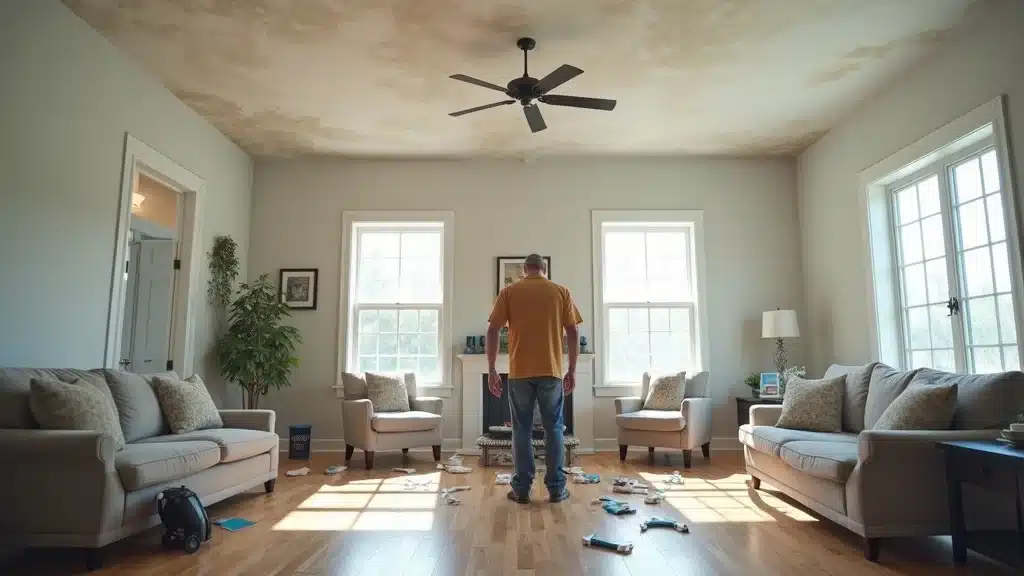
Did you know that more than 20% of water damage claims in Columbia SC are denied or underpaid due to common mistakes and misunderstood policy coverage? Whether it’s a burst pipe, leaky roof, or unexpected storm flood, getting the full insurance payout you deserve can seem daunting and complicated. This in-depth guide provides you step-by-step strategies, expert insights, and actionable tips to help homeowners in Columbia, South Carolina, maximize their insurance water damage claims so you’re not left footing the bill.
Revealing the Truth About Insurance Water Damage Claims in Columbia SC
For homeowners in Columbia SC, understanding insurance water damage claims is critical to ensuring you recoup losses from unexpected water-related disasters. Many think all water damage is covered by their homeowners insurance, but policies often have tricky exclusions and limitations. In South Carolina’s unpredictable climate, claims are complicated by the need to distinguish between events like a sudden water leak, gradual damage, or weather-driven flooding.
From navigating homeowner and flood insurance policies to learning what’s covered by your home insurance and how to properly document the damage claim, this guide will show you how to overcome common roadblocks and secure a fair payout. We’ll also spotlight expert advice from local Columbia water damage professionals, so you avoid preventable mistakes, move quickly after disaster, and make informed decisions when filing insurance claims.
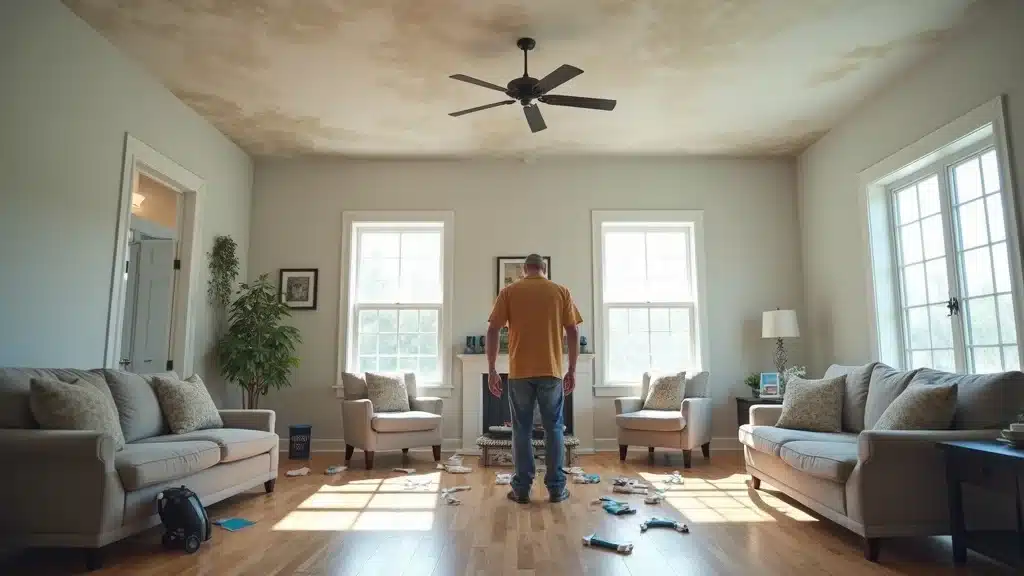
What You’ll Learn About Insurance Water Damage Claims
- How insurance water damage claims work in Columbia SC
- Differences between homeowners insurance and flood insurance for water damage claims
- Strategies to maximize your water damage claim payout
- Common mistakes that lead to denied insurance claims
- Expert tips from local Columbia water damage professionals
While navigating water damage claims, it’s important to remember that lingering moisture can often lead to mold growth, which may complicate both the restoration process and your insurance coverage. If you suspect mold or want to understand how professional remediation fits into your claim, explore this detailed guide on mold removal, remediation, and testing in South Carolina for practical steps and expert insights.
Understanding Insurance Water Damage Claims: The Basics
Navigating insurance water damage claims starts with understanding key definitions. Water damage refers to harm to your home or personal property caused by water intruding where it shouldn’t be, whether suddenly (like burst pipes) or gradually (such as slow leaks). An insurance water damage claim is a formal request to your insurance company for compensation to repair or replace property damaged by a covered water event. These claims are common in Columbia SC due to the region’s humidity, aging homes, and storm activity.
Typically, homeowners insurance covers “sudden and accidental” water damage—think an ice maker breaking or a water heater rupture. However, it won’t pay for gradual wear, lack of maintenance, or flood damage from surface water—a gap that only flood insurance through the National Flood Insurance Program (NFIP) can fill. Understanding where your insurance policy draws these lines is essential to avoid surprises when you file a claim and to maximize your payout.
- Definitions: water damage, insurance water damage claim, damage claim
- Types of water damage covered by homeowners insurance
- Role of flood insurance and the National Flood Insurance Program

Insurance Water Damage Claims vs. Homeowners Insurance and Flood Insurance
Not all water damage is covered by your homeowners insurance. While most standard policies pay for water damage from unexpected internal sources (burst appliance pipes, HVAC overflows, sudden roof leaks), they exclude coverage for surface water or flooding. That crucial protection requires a dedicated flood insurance policy—often purchased via the National Flood Insurance Program (NFIP)—because flood damage from external events like hurricanes or heavy rain is a different risk class.
It helps to compare covered vs. not covered scenarios. For example, if your washing machine hose breaks and ruins your flooring, most homeowners insurance policies recognize it as a “sudden and accidental” event—eligible for a damage claim. In contrast, damage from water intrusion due to poor foundation sealing or a local river flooding your street requires a separate flood insurance claim. Know these distinctions helps you determine which insurance claim process is right for your situation, and how to secure full insurance cover for water-related losses.
- What is typically covered by homeowners insurance?
- When is a separate flood insurance policy necessary?
- Covered vs. not covered scenarios: home insurance, flood insurance, and insurance cover
| Type of Damage | Homeowners Insurance | Flood Insurance (NFIP) |
|---|---|---|
| Burst Pipe or Appliance Leak | Usually Covered | Not Covered |
| Roof Leak from Storm | Covered (if sudden) | Not Covered |
| Flood from Heavy Rain/Overflow | Not Covered | Covered |
| Gradual Basement Seepage | Not Covered | Not Covered |
| Mold Resulting from Covered Event | Sometimes Covered (limits apply) | Sometimes Covered (limits apply) |
“Most water damage claims are denied because the source of the water or maintenance neglect falls outside policy coverage. Understanding your insurance program details is crucial.” — Local Columbia Insurance Adjuster
How Insurance Water Damage Claims Work in Columbia SC
Filing insurance water damage claims in Columbia SC follows a structured process, beginning with immediate reporting after the incident. Start by documenting the damage, stopping the source of water if safely possible, and notifying your insurance company promptly. An insurance adjuster will inspect the damaged area, reviewing the site and evaluating supporting evidence—such as photos, repair estimates, and proof of ownership of affected personal property.
Having key documents ready—like receipts, inventory lists, and contractor reports—streamlines the claim. It’s vital to adhere to your insurer’s required timeframes: most policies set strict deadlines (typically between 30-60 days) for reporting water damage and submitting claim paperwork. Failure to act quickly can jeopardize your insurance cover or reduce your eligible payout. Always communicate proactively with both your insurance company and chosen restoration professionals to ensure a transparent process.
- The insurance claim process: from inspection to payout
- Key documents for a damage claim
- Timeframes and limitations for filing insurance claims

Essential Documentation for Insurance Water Damage Claims
Your documentation can make—or break—your water damage claim. To maximize your insurance claim, provide thorough, timely evidence of the loss. Take clear photographs and videos of all affected rooms, structural damage, and ruined possessions. Build a detailed inventory of your personal property including replacement receipts, repair estimates, or original purchase information. Accurate info helps the insurance adjuster assess the true extent of your loss.
For sudden water leak problems, immediately record where the leak happened, what caused it, and how long the problem persisted. Include expert assessments from your restoration or plumbing professional, especially if you suspect hidden damage or mold. When reporting, be honest and complete—exaggerating or omitting information can delay or result in denial of your insurance cover. Organized, prompt documentation is the foundation of a successful claim, so take the process seriously.
- Photographs and video evidence of water damage
- Detailed inventory of personal property and repairs
- How to report sudden and accidental water leak problems

“Timely, accurate documentation is your strongest ally in maximizing your water damage insurance claim.” — Certified Public Adjuster, Columbia SC
Common Obstacles in Water Damage Claims and How to Overcome Them
Many residents face insurance claim denials, delays, or reduced payouts because of preventable issues. Top reasons for denial include policy exclusions, late reporting, lack of maintenance, and insufficient proof of a “sudden and accidental” water leak. Another pitfall is misunderstanding the limitations of your insurance policy: for example, gradual damage from old plumbing or unresolved leaks is rarely covered, while mold caused by a covered event has strict caps on compensation.
Your proactive defense lies in knowing the limits of insurance cover. Read your policy’s fine print about covered vs. not covered events—especially exclusions like flood damage, gradual deterioration, and neglect. Document all preventative maintenance regularly, and work with trusted restoration companies who can provide expert testimony and paperwork if your carrier challenges your claim. Being prepared and fully informed can mean the difference between a denied claim and a substantial payout.
- Insurance claim denials: top reasons and prevention
- Limits of insurance cover for gradual damage vs. sudden and accidental events
- Understanding exclusions like mold, gradual deterioration, and flood damage

Steps to Maximize Your Insurance Water Damage Claims Payout
To get the most from your insurance water damage claim, take swift, decisive action. Start by immediately stopping further damage: shut off water, rescue valuable items, and begin drying affected areas if safe. Contact a reputable water damage restoration company in Columbia SC; their expertise helps document loss, perform emergency cleanup, and provide the repair estimates insurers need. Restoration pros often discover hidden water or mold damage crucial for your full claim.
Working with these experts also ensures proper communication with insurance adjusters and increases the chance of a fair settlement. If you feel your adjuster’s estimate is too low, negotiate with supporting documentation from restoration specialists, contractors, or public adjusters. Don’t accept a denial or low offer without exploring your options. Always keep copies of all correspondence, paperwork, and receipts throughout the claim process to build a solid case for every dollar owed.
- Immediate actions after water damage occurs
- Working with water damage restoration experts in Columbia SC
- Negotiating with insurance adjusters for a fair settlement
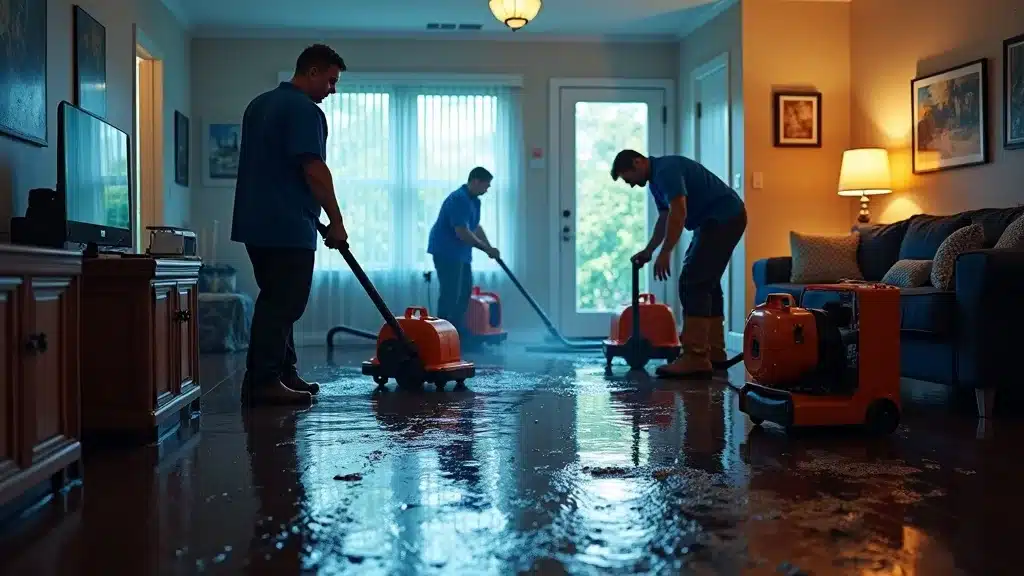
Insurance Water Damage Claims: Covered vs. Not Covered Events
| Event | Homeowners Insurance | Flood Insurance |
|---|---|---|
| Burst Pipe Inside Walls | Covered | Not Covered |
| Storm-Driven Roof Leak | Covered (if not maintenance) | Not Covered |
| Rising Water from Streets/Streams | Not Covered | Covered |
| Gradual Pipe Corrosion | Not Covered | Not Covered |
| Backed Up Sewer Line | Extra coverage required | Not Covered |
| Mold from Covered Event | Partially Covered | Sometimes Covered |
People Also Ask: Insurance Water Damage Claims in Columbia SC
How much does insurance pay for water damage?
The amount insurance pays for water damage depends on several factors, including your policy limits, deductible, and the verified extent of damage to your home and personal property. Typically, standard homeowners insurance policies in Columbia SC will cover up to the dwelling and contents limits for sudden and accidental damage, minus depreciation on certain items. Flood insurance via the National Flood Insurance Program has separate limits and may not include contents unless you purchase additional coverage. A professional assessment and detailed documentation can help maximize the payout on your damage claim.
How long after water damage can you claim on insurance?
For insurance water damage claims, you should report the damage to your insurance company as soon as possible—ideally within 24-48 hours. Most policies set a strict window for filing a claim, typically 30 to 60 days from the date the damage occurred. Delaying can result in reduced coverage or outright denial, especially if further damage happens while you wait. Always check your specific insurance policy for required timelines, and don’t hesitate to begin documentation and mitigation immediately after noticing the water damage.
How to get the most out of a water damage claim?
To get the most out of a water damage claim, document everything meticulously from the start. Take photos and videos, list all affected personal property, and gather repair estimates from reputable Columbia SC restoration companies. Notify your insurance carrier promptly, provide all requested documentation, and, if needed, consult a public adjuster or water damage expert to negotiate on your behalf. Avoid making permanent repairs until your adjuster completes the inspection to ensure you don’t limit your coverage.

What kind of water damage is not covered by insurance?
Most homeowners insurance policies do not cover water damage caused by maintenance issues, wear and tear, gradual leaks, or flood damage from rising water. These are regarded as preventable or outside the “sudden and accidental” rule. Mold remediation is often excluded unless it directly results from a covered event. For flood-related claims, you need a flood insurance policy, and even then, certain categories like basement contents or landscaping may not be covered. Always review your insurance policy for specific exclusions and purchase additional endorsements if needed.
Expert Tips: Avoiding Water Damage Claim Pitfalls
- Double-check your insurance policy and homeowners policy for coverage gaps and exclusions.
- Invest in preventive maintenance (like annual plumbing inspections) to avoid denied damage claims for gradual leaks or wear.
- If your claim is denied or the payout is low, get a second opinion from a trusted water damage restoration company in Columbia SC.
Frequently Asked Questions: Insurance Water Damage Claims in Columbia SC
- What should I do first after discovering water damage?
Immediately stop further water flow, document the scene with photos and videos, move undamaged items out of the area, and call your insurance company and a local restoration expert. - Can I file multiple water damage claims in one year?
Yes, you can file multiple claims, but frequent claims may raise premiums or lead your policy to be non-renewed. Always discuss consequences with your insurer. - How does the insurance adjuster calculate the payout?
The adjuster reviews your evidence, repair estimates, receipts, and policy limits/deductibles to determine the payout, minus depreciation for certain personal property. - Is water leak damage always covered?
Only if the water leak is sudden, accidental, and not due to lack of maintenance. Gradual leaks and lack of repair are commonly excluded by most insurance policies. - Will my premiums increase after a water damage claim?
It is possible. Multiple or high-value insurance claims can result in higher premiums or non-renewal, so balance claiming with the size of the loss and long-term costs.
Key Takeaways: Maximizing Your Insurance Water Damage Claims
- Document all water damage thoroughly and act quickly.
- Understand differences between homeowners insurance and flood insurance before a loss occurs.
- Know what is covered by your policy and where exclusions exist.
- Consult with local Columbia water damage specialists for complex claims or disputes.
Partner with Water Damage Experts in Columbia SC
Dealing with water damage can be overwhelming, but you don’t have to navigate insurance water damage claims alone. Qualified professionals, like those at Water Damage Experts in Columbia, provide fast response, comprehensive documentation, and expert advice tailored to South Carolina policies. This partnership maximizes your chances for a successful, stress-free claim—restoring your home and peace of mind.

Conclusion: Take Charge of Your Insurance Water Damage Claims
Equipped with the right knowledge and support, you can turn a stressful water damage incident into a manageable insurance success story—protecting your home and your wallet in Columbia SC.
If you’re ready to take your home protection to the next level, consider learning more about the broader risks and solutions surrounding water damage, including the critical role of mold remediation and indoor air quality. By understanding the full spectrum of restoration and prevention—from insurance claims to expert mold testing—you’ll be empowered to safeguard your property and your family’s health for years to come. For a comprehensive look at advanced remediation strategies and the latest in mold testing technology, visit the in-depth resource on mold removal, remediation, and testing in South Carolina. Your next step toward a safer, healthier home starts with knowledge and proactive action.
Sources
- NAIC – Water Damage and Home Insurance
- FEMA – Flood Insurance Information
- South Carolina Department of Insurance – Water Damage FAQs
- Water Damage Experts in Columbia
To further empower Columbia homeowners dealing with insurance water damage claims, consider exploring Mold Removal, Remediation, and Testing in South Carolina for an in-depth overview of how professional mold services can intersect with your insurance process and enhance your home’s safety after water incidents. For those interested in expert-backed guidance and real-world updates, the Palmetto Mold Experts Facebook page offers timely tips, community stories, and access to specialists who understand South Carolina’s unique challenges. If you’re serious about maximizing your insurance water damage claims in Columbia SC, these resources will give you the practical tools, expert insight, and ongoing support you need.