
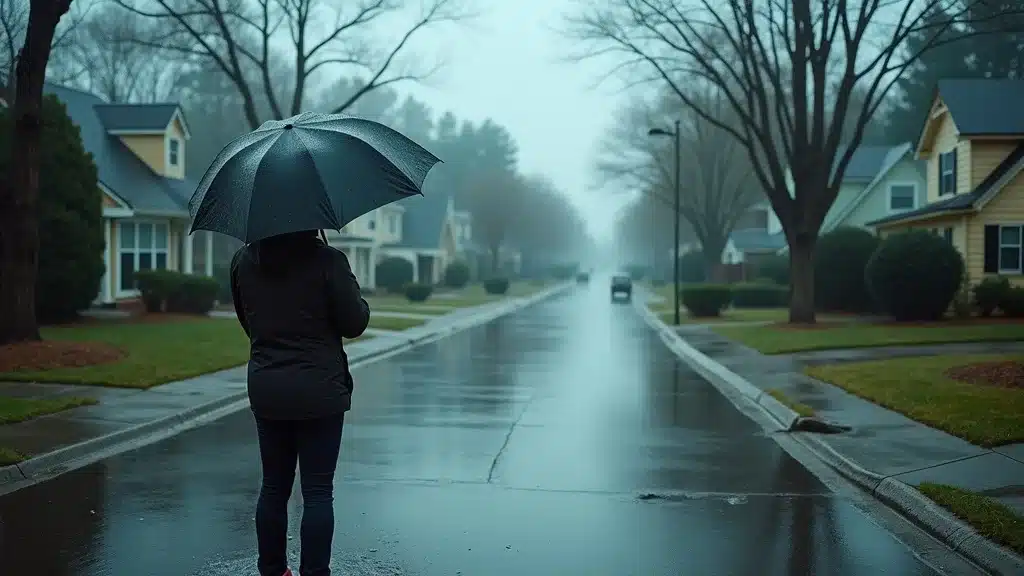
Did you know that 1 in 50 homeowners face water damage each year—costing Americans billions and leaving houses in Columbia SC especially vulnerable due to high humidity and severe storms? Understanding how to prevent water-related disasters in your home isn’t just about saving money—it’s about protecting your biggest investment and ensuring safety for your family. This comprehensive guide on water damage prevention tips will empower you with actionable strategies, insider insights, and local expertise perfect for Columbia SC homeowners ready to take control before disaster strikes.
Startling Facts: Why Water Damage Prevention Tips Matter in Columbia SC
“Did you know 1 in 50 homeowners experience water damage annually, costing billions nationwide? In Columbia SC, humidity and severe storms make every house vulnerable.”
Water damage prevention tips aren’t just good advice—they’re an essential part of owning a home here in Columbia SC. Due to relentless southern humidity, frequent heavy rain, and the unpredictable storm season, every area of your property—from the main water line to the basement—faces increased risk. In fact, water-related loss is one of the most common reasons for home insurance claims in the region. Ignoring small leaks, neglecting sump pump maintenance, or failing to inspect gutters can result in extensive—and often expensive—damage repair efforts, including water damage repair, mold remediation, and even costly structural renovations.
Many homeowners believe their insurance policies offer total protection against water damage. However, coverage for issues like flood insurance, ice dams, and even burst pipes may vary. Proactively managing risks not only safeguards your home’s structure but also preserves your peace of mind. This guide reveals easy-to-implement solutions for water damage prevention tips—from addressing a leaky water heater to installing smart water sensors—giving you the confidence to face every season prepared and protected.
What You’ll Learn From These Water Damage Prevention Tips
- Essential strategies to prevent water damage in your Columbia SC home
- How to identify and repair water leaks early
- Best practices for water damage repair
- How to avoid costly damage repair and insurance claims
- Resources for water mitigation and professional help
Understanding Water Damage: Types, Causes, and Long-Term Impact
Common Types of Water Damage in Columbia SC
Columbia SC homeowners face unique risks when it comes to water damage—which can manifest in a variety of ways. Flooded basements due to heavy rain, moisture intrusion from roof leaks, and gradual structural decay from small leaks are common issues. Some houses suffer from standing water after storms, causing floors, walls, and treasured possessions to become soaked. Other risks include busted water lines during cold snaps (yes, even in South Carolina), or faulty washing machine hoses and water heaters. Each scenario often requires specific strategies to prevent further water damage, such as installing a sump pump or improving drainage. By understanding these vulnerabilities, you can proactively strike at the root cause, increasing your odds of avoiding costly damage repair.
Homes built on low-lying lots or with aging infrastructure are especially susceptible to water infiltration or leaks in main water lines. Finished basements, laundry rooms, and attics topped with insulation can all harbor hidden water sources. Recognizing the signs—such as warping floors, peeling paint, or musty odors—allows you to act early and prevent catastrophic water damage. Staying vigilant and understanding the typical threat landscape in Columbia SC helps you take targeted steps for water damage prevention year-round.
Causes of Water Damage: Weather, Plumbing, and Accidental
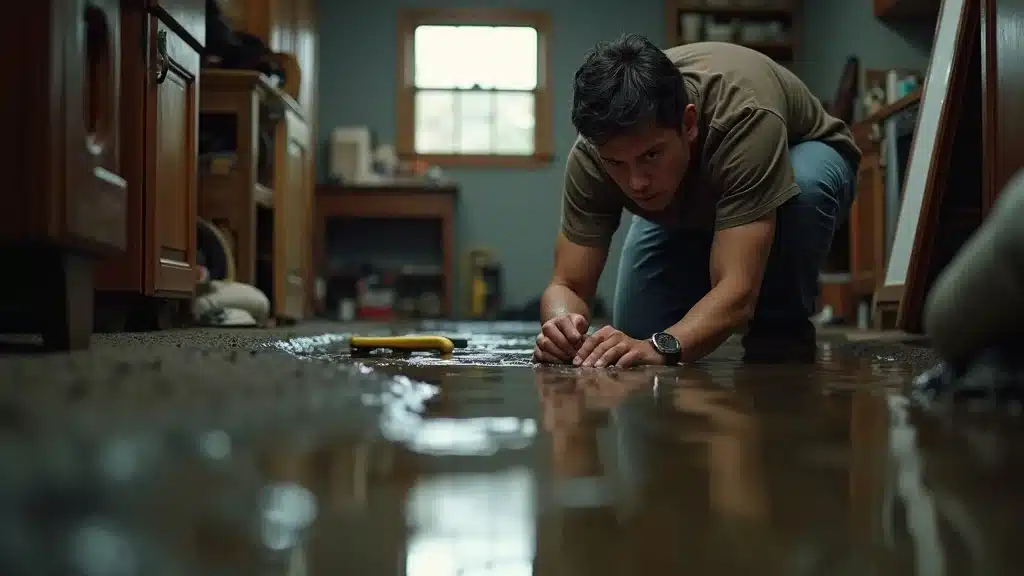
The predominant causes of water damage in Columbia SC are linked to three core issues: weather events, plumbing failures, and accidental occurrences. Heavy rain, flash floods, and severe storms frequently overwhelm outdated drainage systems or create roof leaks; this is especially hazardous where water flow isn’t properly managed around the home’s foundation. Plumbing mishaps—from burst or frozen pipes, water line failures, or faulty water valves—often catch residents by surprise, particularly if routine inspections aren’t conducted. Human error—like forgetting to turn off a faucet or overloading a washing machine—can also cause quick, overwhelming flooding if left unattended.
Other sneaky contributors include poorly maintained sump pumps, neglected gutters, or missing insulation on pipes exposed to external temperatures. Even a drain backup or an undetected leak underneath a kitchen sink can quietly wreak havoc over time. These disparate causes all point to the value of consistent home checks, rapid repairs, and the strategic installation of protective devices (such as water sensors and backup sump pumps) to reduce the risk of damage repair in the event of an unexpected incident.
While addressing water damage is crucial, it’s equally important to understand the role of mold remediation in maintaining a healthy home environment. For a deeper look at how professional mold removal can benefit Columbia SC homeowners after water incidents, explore the key advantages of mold remediation services in Columbia SC and how they complement your prevention efforts.
The Hidden Costs and Long-Term Effects of Water Damage
Beyond the immediate mess, water damage brings substantial hidden costs and lingering impacts for Columbia SC homeowners. What starts as a small leak or standing water under a carpet can balloon into hefty expenses for mold removal, warped hardwood, ruined drywall, or even complete flooring and structural overhauls. In addition, repeated leaks may hike your insurance premiums, invite policy exclusions, or invite scrutiny from your insurance company if water mitigation efforts appear inadequate.
Health problems linked to hidden mold, persistent odors, and compromised indoor air quality are notorious after unaddressed water events. The financial and emotional toll of water damage repair—in both the short and long term—reinforces the need for rapid, proactive intervention. A simple fix today can save thousands in remediation and lost time tomorrow, demonstrating why immediate action and ongoing vigilance with the right water damage prevention tips is the wisest investment you can make.
“Even minor water leaks can lead to major structure damage if left unaddressed — acting quickly is your best defense.”
Top Water Damage Prevention Tips For Homeowners
- Inspect main water lines and water leak prone areas regularly
- Install a sump pump, especially in basements prone to standing water
- Ensure proper drainage around your home
- Seal windows, doors, and roofs to prevent water intrusion
- Use water mitigation products and smart sensors
- Regularly clean gutters and downspouts
- Check washing machine hoses and water heater for leaks
Implementing these water damage prevention tips dramatically reduces the risk of extensive damage repair, and insurance claims. By establishing a regular inspection habit, homeowners can identify water leaks early—spotting subtle signs like warped baseboards or mysterious dampness near main water lines. Installing a sump pump is a must in basements that have ever had standing water, and cleaning gutters is key for Columbia SC’s often-torrential summer storms. Smart leak detectors and water sensors add a layer of security, instantly alerting you to new leaks, and giving you the opportunity to act before damage occurs. Staying proactive, not reactive, is the ultimate safeguard for your property investment.
How to Prevent Water Damage: Step-by-Step Guide
Routine Inspections for Water Damage and Leaks
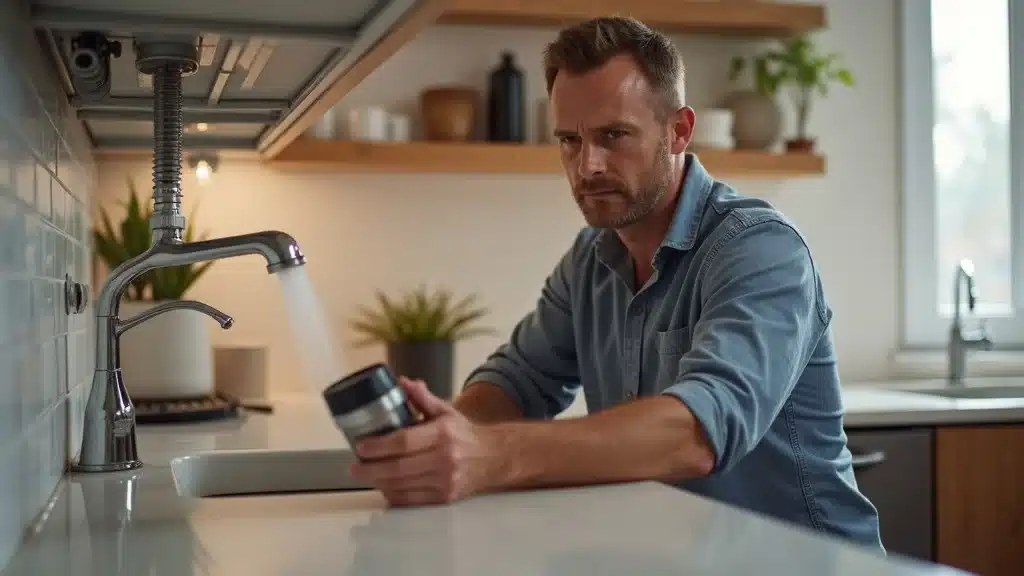
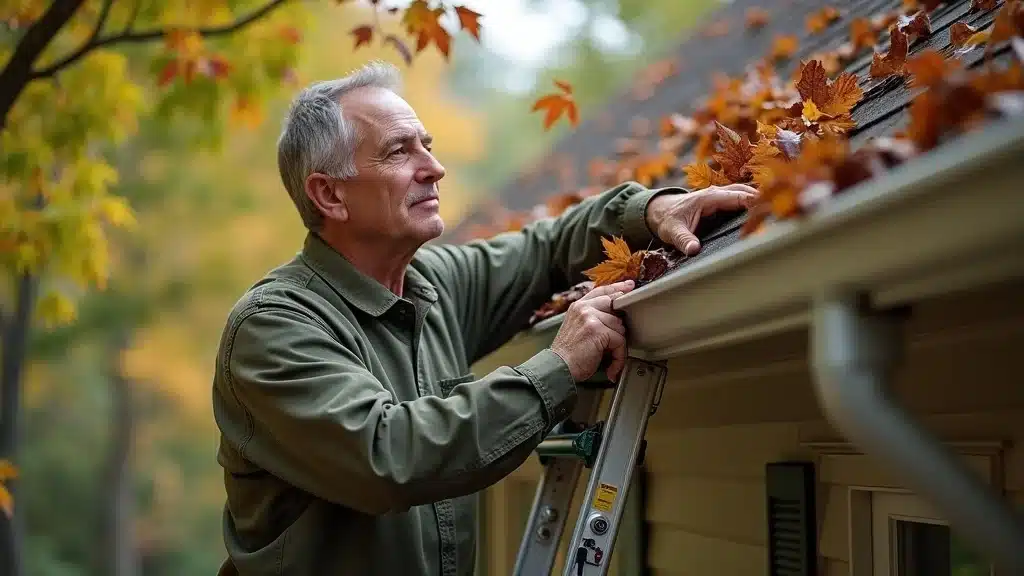
Consistent visual inspections of your home’s vulnerable areas are crucial to prevent water damage. Start by checking plumbing beneath sinks, behind toilets, around the water heater, and notice any discoloration, warped wood, or soft drywall. Review your basement and crawlspaces often—especially following storms—for signs of moisture or standing water. Inspect all gutters and downspouts after every heavy rain, ensuring that water freely flows away from the foundation. Mark your calendar for bi-annual roof inspections, where even small, missing shingles can eventually trigger larger water leaks and significant damage repair.
Don’t forget to look at the condition of water lines attached to your washing machine and dishwasher. Replace aging hoses every five years and tighten any loose water valve connections. Even unused spaces, like attics or under-stair storage areas, can harbor undetected leaks from HVAC condensation lines or ice dams in colder snaps. These scheduled checks make it far more likely you’ll catch issues before they escalate—preserving your Columbia SC home and minimizing long-term damage.
Protecting Pipes and Plumbing for Effective Water Damage Prevention
Protecting pipes and maintaining plumbing is one of the most effective water damage prevention tips available. Start by insulating exposed pipes against temperature swings—even rare cold snaps in Columbia SC can prompt a burst pipe. Periodically check accessible pipes for condensation, rust, or telltale puddles. If water pressure seems inconsistent, it might signal an emerging leak in your main water line.
Install shut-off valves on each fixture if possible, and familiarize yourself with the main water valve location. In emergencies, swiftly stopping the water flow makes all the difference in reducing water damage. Also, consider using smart water valves, which can sense leaks and shut off your system automatically. Keep plumbers’ contact info handy for quick advice or repairs—especially when you spot leaks near dishwashers, fridges, or water heaters. A disciplined approach to plumbing maintenance is a vital pillar for keeping your Columbia SC residence safe and dry.
Managing Water Mitigation Efforts: Early Signs and Quick Response
Effective water mitigation hinges on spotting early warning signs and responding immediately. Watch for faint odors, persistent damp spots under sinks, or changes in ceiling color—these can point to obscure leaks or trickling water lines. If you encounter elevated humidity or unexplained spikes in your water bill, it’s time to search for hidden water leaks using smart home sensors or moisture meters. Many homeowners in Columbia SC now rely on water sensors throughout basements, kitchens, and attics for round-the-clock monitoring.
The moment you suspect a leak, dry the area promptly to prevent mold growth. Utilize fans, dehumidifiers, and open windows for airflow. If water accumulates quickly (such as from a drain backup, or broken supply line), call water damage repair experts immediately—speedy intervention is critical to limiting damage and cost. Document the scene with photos for your insurance agency and keep records of mitigation and repairs, which can be invaluable should you need to initiate an insurance claim or demonstrate diligence to your insurer.
Deploying Sump Pumps and Drainage Solutions to Prevent Water Damage
For Columbia SC homes prone to basement flooding or stormwater intrusion, installing a sump pump is an indispensable water damage prevention tip. These devices actively redirect rising water away from your home’s foundation, minimizing the risk of standing water after severe storms. Look for a model with battery backup to maintain operation during power failures—critical during severe Southern weather. Test your sump pump each season to confirm function, and clean the weep hole and pit to avoid blockages.
Outside, improve grading so water naturally flows away from your building’s base. Clear french drains and extend downspouts at least six feet from the house. Seal all visible cracks in foundation walls and patch up any deteriorated exterior caulking around windows or doors. By attacking water entry points both inside and out, you make it much harder for the next storm to leave you ankle-deep in water—or with hefty costs for damage repair.
Video Demonstration: Essential Water Damage Prevention Tips in Action
Learn from the pros: Watch this practical video tour led by a certified expert in Columbia SC. The video walks you through the most common leak-prone areas, demonstrates correct sump pump installation, showcases the newest water detection devices, and highlights step-by-step water mitigation actions every homeowner should take after heavy rain. Clear narration, real home environments, and easy-to-follow tips ensure you’ll walk away ready to protect your home from water woes!
Video Demonstration Coming Soon: Essential Water Damage Prevention Tips in Action
Dampness and Standing Water: What To Do Immediately
Immediate Steps to Address Standing Water and Mold Growth
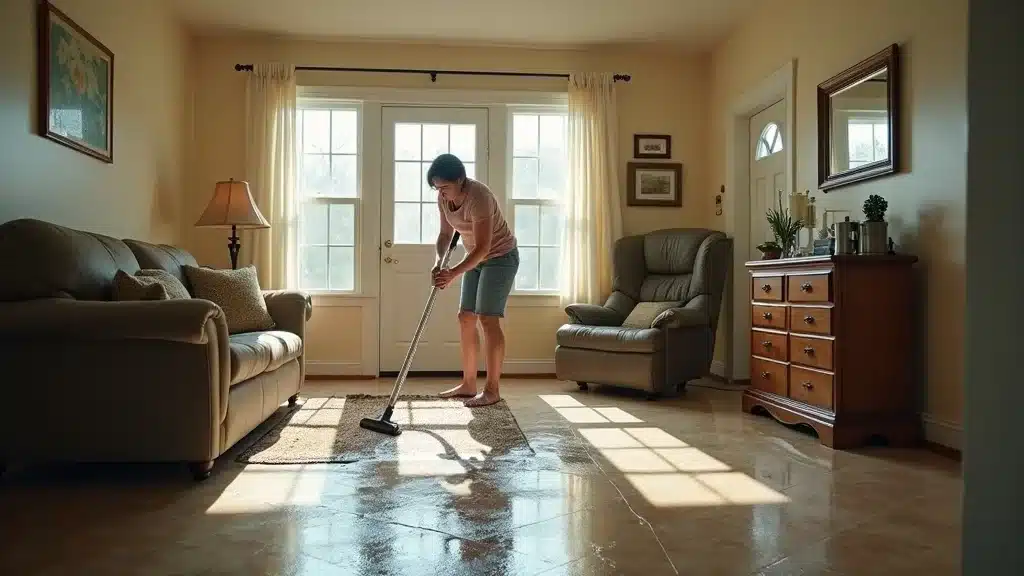
The first step when you find standing water in your home is safety. Shut off the main water valve if a burst pipe or supply line leak is the cause. Disconnect electricity in affected rooms if water levels have reached wall outlets. Begin water removal using a wet vac, mop, or towels, and run fans and dehumidifiers to dry out the space quickly. Prompt action can inhibit the spread of mold, which can begin forming within 24–48 hours, and will minimize the need for intensive water damage repair later.
Salvage valuable items and dry them outside in the sun, if possible. Pull up rugs, move furniture, and scan the area for slippery spots or structural issues. Dispose of anything that’s absorbed substantial water (such as soaked drywall or insulation) to cut down on mold risk. Use commercial antifungal sprays or diluted bleach solutions to disinfect hard surfaces, but ensure proper ventilation and wear gloves to protect your health. Quick clean-up is your best defense when it comes to water damage prevention tips in Columbia SC’s rapid-response environment.
The Importance of Speedy Water Damage Repair
Acting quickly during a water event is the single most important way to reduce overall damage repair costs. Mold spores multiply fast in the South’s humid climate, and even a small delay in mitigation can lead to extensive demolition, professional cleaning, and expensive restoration of both your home’s structure and your personal property. The cost of procrastination isn’t just higher bills from your insurance company—it’s lost time, lost mementos, and a greater likelihood of denial or increased rates from your insurance agency for related loss.
Document everything immediately, including photos and written notes describing the water source, affected areas, and actions taken. This diligence gives you leverage when dealing with insurance companies and ensures that you’ve taken every step necessary to minimize loss. For anything beyond minor puddles, call a certified water damage repair company in Columbia SC as soon as possible—they’ll assess hidden issues, bring powerful drying technology, and help you avoid the most common (and expensive) pitfalls in water damage recovery.
Water Leak Detection: Preventing Costly Damage Repairs
Spotting Early Signs of Leaks in Main Water and Secondary Lines
Staying ahead of potential disasters relies heavily on early leak detection. Look for telltale signs: unexplained increases in your water bill, persistent sound of running water when all appliances are off, and small puddles beneath water appliances. Inspect areas near the main water line entry and along secondary supply lines for rust, corrosion, or mineral deposits. Use paper towels or sensors to check spots that are hard to see, such as under dishwashers or behind fridges. In Columbia SC’s humid climate, mold patches and musty odors add further evidence of undetected leaks.
Checking the operation of shut-off water valves during each inspection is equally crucial. A sticky or stuck valve can hinder your ability to respond quickly in an emergency. Take note of pipe insulation, especially if you’ve had past trouble with frozen pipes—replacing incomplete or gnawed-through foam sleeves can prevent a future burst pipe event and resulting flood.
Smart Home Technology for Ongoing Leak Monitoring
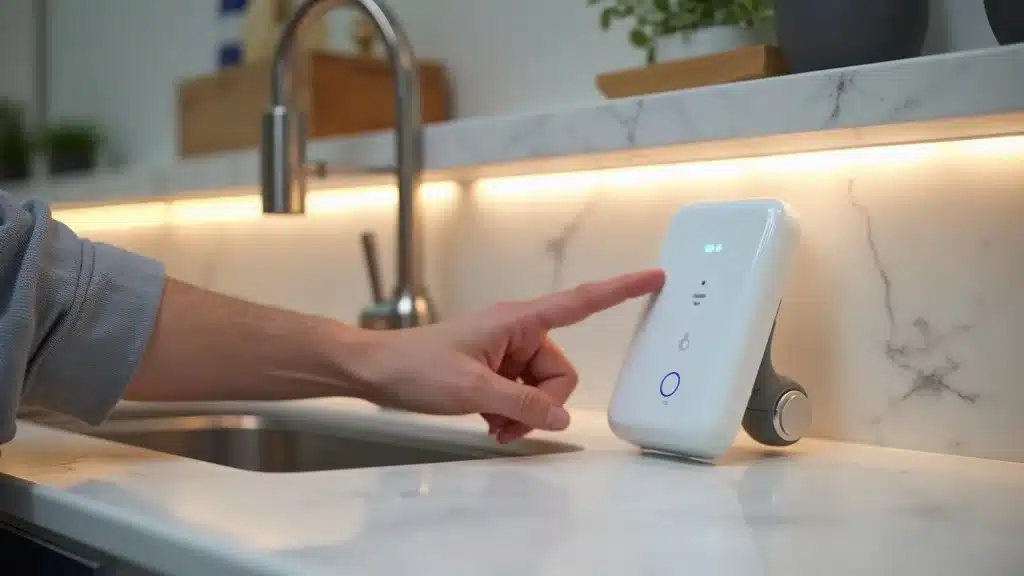
Modern water damage prevention relies on smart home technology like WiFi-connected leak detectors and whole-home water valve shutoff systems. These devices monitor vulnerable spaces—under sinks, behind washing machines, and near your sump pump—sending instant alerts to your phone if a tiny leak is detected. Many homeowners in Columbia SC have successfully mitigated burst pipe and water line disasters thanks to these inventions. Some models even allow for remote shutoff of the main water valve, reducing the chance of substantial standing water, related loss, and high repair bills.
Integrating these sensors with other smart home platforms means it’s never been easier to spot problems before they get out of hand. Schedule regular tests and battery checks for each sensor. For larger homes, consider whole-house solutions (see the comparison table below), and connect with trusted local installers to set up a robust, reliable early warning system. The modest upfront investment in smart technology pays for itself many times over by preventing costly damage repair later.
Table: Comparing Water Detection Alarms – Features and Costs
| Brand | Sensor Type | Response Time | Price Range |
|---|---|---|---|
| LeakAlert | Point Sensor | Instant | $25-$40 |
| Guardian | WiFi Sensor | Real-time | $60-$90 |
| Flo by Moen | Whole-home | Real-time | $250-$500 |
What You Need to Know About Water Damage Repair and Insurance Cover
Does Your Insurance Cover Water Damage Repairs?
Many Columbia SC homeowners assume their insurance policy offers comprehensive protection against water damage. In reality, insurance coverage varies widely by provider and policy. Standard homeowners policies generally cover “sudden and accidental” events—such as burst pipes or unexpected system failures. However, most exclude flooding from external sources unless you’ve purchased additional flood insurance coverage. Gradual leaks, wear and tear, and many water mitigation expenses may not be covered at all, resulting in unexpected costs for damage repair.
Review your policy carefully and consult your insurance agency or agent to clarify what’s protected. It’s worthwhile to ask specifically about water backup, sump pump failure, and mold remediation. Save receipts and records of maintenance and improvement projects, including sump pump installation or water sensor purchases, as some insurance companies may offer premium discounts for taking scientific prevention measures.
Preventing Insurance Headaches with Timely Water Damage Prevention Tips
Timely action is the key to avoiding insurance disputes and claim denials. Insurers expect you to perform regular maintenance, address leaks promptly, and document all mitigation activities. Failing to follow the best water damage prevention tips can be considered negligence, impacting your claim’s success. If you experience standing water or significant leaks, contact your insurance company immediately, and provide all relevant documentation—before starting repairs, if possible.
In many cases, your insurance agency will require invoices and photos to process your claim for damage repair or water mitigation. Establishing a relationship with a local, reputable water damage repair company beforehand simplifies communication and speeds up the resolution when disaster strikes. It’s worth reviewing insurance policies annually and proactively adding riders or flood insurance if your residence is in a high-risk area.

Video Walkthrough: Water Damage Repair Services in Columbia SC
Explore a real-life video walkthrough of Columbia SC’s top water damage repair professionals. The video demonstrates step-by-step recovery from leaks, standing water, and mold. Learn how experts inspect, assess, and conduct effective damage repair—and gain insight into how reputable services handle everything from water mitigation to direct insurance billing.
Video Walkthrough Available Soon: Water Damage Repair Services in Columbia SC
Expert Quotes: What Local Professionals Say About Water Damage Prevention
“Prevention saves you thousands — and it starts with consistent maintenance and swift action.” – Local Columbia SC Water Damage Expert
People Also Ask: Water Damage Prevention Tips in Columbia SC
How do I prevent water damage?
To prevent water damage, regularly inspect pipes, appliances, roof, and foundation for leaks. Ensure gutters are clear, install sump pumps, use water leak detectors, and address any plumbing issues immediately.
What are 10 ways to save water at home?
Ten practical ways: Fix leaks, use low-flow fixtures, run dishwashers/washers with full loads, water lawns wisely, collect rainwater, monitor water bills, insulate pipes, install water-efficient appliances, use mulch, and educate family about water conservation.
How to protect your house from water damage?
Protect your home by sealing windows/doors, clearing debris from gutters, sloping landscaping away from foundation, installing backflow valves, and monitoring for signs of moisture or mold.
What to spray to prevent mold after water damage?
Commercial antifungal sprays or diluted bleach solutions can inhibit mold growth. Always dry out affected areas quickly and ventilate thoroughly after cleaning.
Water Damage Prevention Tips: Key Takeaways for Columbia SC Homeowners
- Proactive maintenance is the most cost-effective form of water damage prevention
- Technology like leak detectors and sump pumps significantly reduce risk
- Rapid damage repair and water mitigation are critical
- Consult experts for insurance cover guidance and professional repair

FAQs: Water Damage and Prevention in Columbia SC
- What areas of my home are most prone to water damage?
Basements, crawlspaces, behind appliances with water connections (such as washing machines and dishwashers), under sinks, near windows and doors, and attics with roof access are most at risk. - How often should I inspect for leaks or water line issues?
Check high-risk areas at least once a month, with a full-home plumbing and gutter inspection every spring and fall. - Is DIY water mitigation effective?
For minor leaks and limited damage, DIY cleanup and drying can work, but larger events require professionals for thorough water mitigation and mold prevention. - Are sump pumps worth the investment?
Absolutely—sump pumps are essential for homes with basements or a history of flooding, and they provide quick water removal and peace of mind. - What do I do if I find standing water or mold?
Remove water quickly, isolate damp materials, ventilate, disinfect affected zones, and call a certified water damage and mold professional for evaluation.
Next Steps: Contact Water Damage Experts in Columbia SC
“Don’t wait for water damage to strike — connect with local specialists who can inspect, advise, and act on tailored prevention strategies.”
Conclusion
Stay vigilant, maintain your home, and use every tool at your disposal—from sump pumps to smart water sensors—to defend your Columbia SC property against water damage now and in every season ahead.
If you’re ready to take your home protection to the next level, consider broadening your knowledge beyond water damage prevention. Discover how communities across the region are tackling mold, moisture, and air quality challenges by visiting the latest insights and local stories on home health and safety in South Carolina. By staying informed and proactive, you’ll not only safeguard your property but also create a healthier, more resilient living environment for your family—no matter what the weather brings.
Sources
- Insurance Information Institute – https://www.iii.org/
- EPA – Mold and Moisture – https://www.epa.gov/mold
- Palmetto Mold Experts – https://palmettomoldexperts.com/
For further in-depth guidance, check out Columbia SC Mold Removal, which provides expert strategies not only for tackling mold after water damage, but also for preventing moisture buildup that exacerbates costly repairs. You can also explore expert advice and actionable tips by following Palmetto Mold Experts on Facebook, where they share local insights, urgent alerts, and proven methods for safeguarding homes in Columbia SC. If you’re serious about water damage prevention tips, these resources will give you the knowledge and community support needed to keep your property safe year-round.