

Did you know? A single inch of water in your home can cause more than $25,000 in damage—a shocking reality many Columbia, SC, homeowners face after an ice storm strikes
Unprecedented Impact: Understanding Water Damage Caused From an Ice Storm in Columbia SC
When an ice storm barrels through South Carolina, Columbia residents feel its effects long after the last shard of freezing rain melts away. Columbia’s unique geography and climate, combined with rare but powerful winter storms, set the stage for significant water damage caused from an ice storm in Columbia SC. Melting ice infiltrates attics, bursts pipes freeze and shatter, and overwhelmed storm water systems fail, leading many to declare a state of emergency.
What makes these events so destructive is their unpredictability—not just in terms of the storm’s severity, but also where and how water damage strikes. Homeowners may discover leaks in attics, water stains creeping down walls, or foundation seepage that can linger undetected for weeks. Factors like ice accumulation, power outages, and extended freezing punctuate the aftermath, often requiring significant expert intervention for cleanup and restoration. Understanding these unique threats can help you better protect your Maryland home and respond rapidly when warnings arrive with the next winter storm watch.

Startling Facts About Water Damage and Ice Storms in South Carolina
“A single inch of water in your home can cause more than $25,000 in damage—an all too common reality after an ice storm in Columbia, SC.”
Consider the numbers: After major winter storms, the National Weather Service reports that hundreds of homes across parts of South Carolina suffer from severe water infiltration. Power outages—sometimes lasting days—lead to frozen pipes and failed sump pumps. That’s why the South Carolina Emergency Management Division urges residents to prepare for water damage even before a state of emergency is officially declared. Experts highlight that persistent dampness fosters rapid mold growth, threatening your home’s structure and your family’s health. Act fast, and you can prevent the cycle of restoration and recurring repair expenses from spiraling out of control.
Persistent moisture after an ice storm can quickly lead to mold issues, which is why understanding the importance of professional mold removal and remediation in South Carolina is crucial for homeowners. Addressing water damage promptly not only protects your property but also helps safeguard your indoor air quality and long-term health.
Defining Water Damage Caused From an Ice Storm in Columbia SC
Water damage caused from an ice storm in Columbia SC refers to the range of issues triggered by rapid freezing, ice build-up, and subsequent thawing during a winter storm. The most common problems include attic and roof leaks from ice dams, burst water pipes due to freezing, and seeping water entering basements and foundations during the thaw. Unlike flooding from tropical storms or hurricanes—which typically affects ground-level structures—ice storm water intrusion targets both upper and lower sections of your home, often remaining hidden until significant damage has occurred. This unique blend of structural and environmental factors means Columbia residents need specialized preparation and recovery strategies.
Another crucial aspect is the indirect pressure placed on home systems—ice accumulation can collapse gutters and infiltrate rooflines, especially in older homes or those situated in high-risk flood zones. The interplay of local climate, sub-freezing temperatures, and sudden power loss amplifies this risk. Recognizing these defining features prepares you to act decisively before, during, and after the next major winter weather event.
The Role of Winter Storms and States of Emergency
Ice storms are rare but potent in Columbia’s climate, prompting officials—such as Henry McMaster—to sometimes declare a state of emergency for the safety of residents. During a winter storm watch, city services work overtime: the Columbia Water team braces for potential supply disruptions, while emergency operations ramp up shelter and recovery efforts. Power lines droop under the weight of freezing rain, and trees and power lines often snap, causing widespread outages. The designation of a state emergency allows for faster deployment of resources and insurance responses, but also signals the need for immediate homeowner vigilance. Knowing when and why such declarations occur is vital to securing both your property and your wellbeing during the throes of an ice-laden storm system.
Preparation starts with understanding these government alerts and the weather service forecasts. Each announcement is a call to action: inspect your pipes, seal vulnerable areas, and have your emergency kits ready. Waiting for a full-blown state of emergency declaration before acting may leave you a step behind—proactivity is your critical first defense.
What You’ll Learn in This Guide About Water Damage Caused From an Ice Storm in Columbia SC
- The immediate and long-term risks of winter storm-related water damage
- How Columbia’s climate and geography affect the severity of ice storm water damage
- Effective steps you can take to protect your home before, during, and after an ice storm
Why Columbia, SC Is at Risk: Geography, Climate, and History
Columbia, SC, finds itself at the crossroads of meteorological chaos every winter. Sandwiched between coastal and upstate regions, the city experiences sharp cold spells juxtaposed with sudden thaws—prime conditions for ice storm formation. This geographic reality puts Columbia homeowners especially at risk for water damage caused from an ice storm. Historical patterns reveal that ice storms are less frequent than floods, but when they strike, they cause disproportionate suffering, property losses, and costly repairs.
Adding to the challenge is Columbia’s unique urban development. Many neighborhoods sit within or adjacent to FEMA flood zones, while mature trees and aging infrastructure provide little resistance against ice accumulation. The resulting interplay of melting snow, heavy rainfall, and runoff overwhelms ground water systems, often causing water to seep directly into the foundations of homes. It’s a sobering lesson—one etched into the city’s memory by past disasters, from the 2015 flood to the notorious ice storm of 2014. Homeowners simply cannot afford to ignore these climatic warning signs.
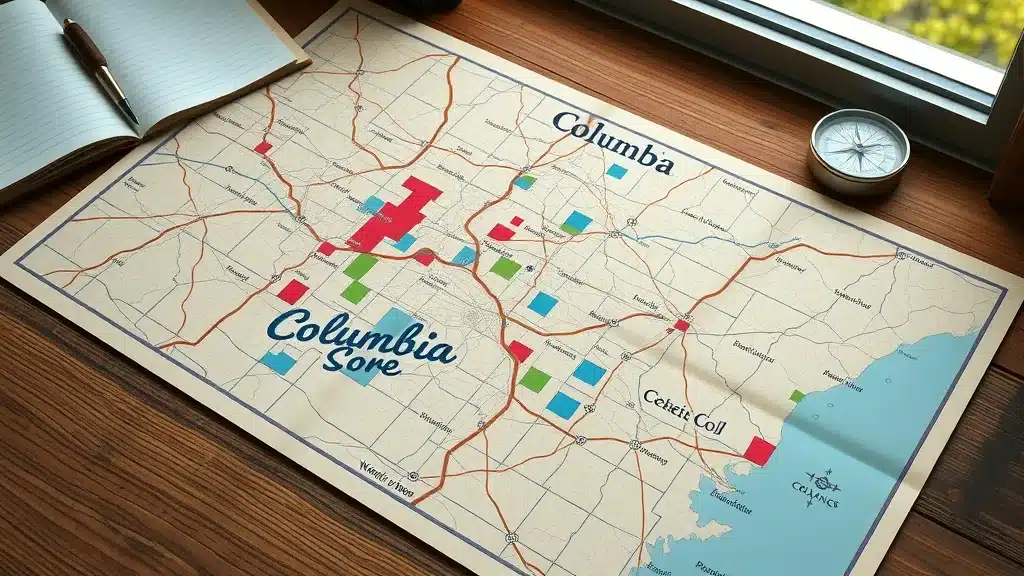
Columbia’s Experience With Winter Storms and Flood Zones
Over the years, Columbia, SC, has weathered some of the harshest winter storms recorded in the Southeast, from the devastating 2015 flood—recognized as a 1,000-year event—to severe ice storms that left thousands without power for days. These calamities revealed the city’s vulnerability not just to open floodwaters but also to the stealthy advance of melting ice infiltrating cracks and crawlspaces. Homeowners living within FEMA-designated flood zones must be especially vigilant, as water intrusion is often compounded by overwhelmed infrastructure and blocked water service routes.
A lesson from history: the aftermath of the 2014 ice storm triggered a substantial increase in insurance claims relating to burst pipes and roof leaks, while the 2021 ice event underscored the unpredictability of winter weather in the region. Each winter storm serves as a reminder to keep home maintenance, emergency supplies, and proactive inspections top of mind. Protecting your property requires understanding the past, recognizing warning signs, and placing preparedness front and center—even when a state of emergency feels unlikely.
- Past winter storms in South Carolina and their aftermath
- Flood zones: What homeowners must know
Table: Major Winter Storms and Water Damage Events in Columbia, SC
| Year | Event | State of Emergency Declared | Average Damage per Home |
|---|---|---|---|
| 2015 | Historic Flood | Yes | $40,000+ |
| 2021 | February Ice Storm | No | $13,000 |
| 2014 | Ice Storm | Yes | $22,500 |
Signs of Water Damage Caused From an Ice Storm in Columbia SC
- Molten ice infiltration: Attic and roof leaks
- Frozen and burst pipes
- Foundation seepage after rapid thaw
After an ice storm sweeps through Columbia, identifying water damage caused from an ice storm in Columbia SC is essential but not always straightforward. Attic and roof leaks typically manifest as discolored or sagging areas on the ceiling, a musty odor, or visible water dripping down walls. These leaks often result from ice dams—frozen ridges of ice that form at the roof’s edge and prevent proper drainage, forcing melting snow and ice backward under shingles. In severe cases, entire sections of attic insulation may be soaked, increasing the risk of mold and structural deterioration.
Another clear warning sign is the sound or evidence of burst pipes. Water may stop flowing from faucets, and you might hear gurgling or dripping behind walls—both signs of frozen plumbing that can rupture unexpectedly as temperatures fluctuate. Finally, when Columbia’s infamous rapid thaw sets in, water can seep invisibly into foundations and crawlspaces, leading to warped baseboards, wet patches on floors, or increased humidity. Prompt recognition of these indicators allows for faster intervention and may prevent further costly repairs.
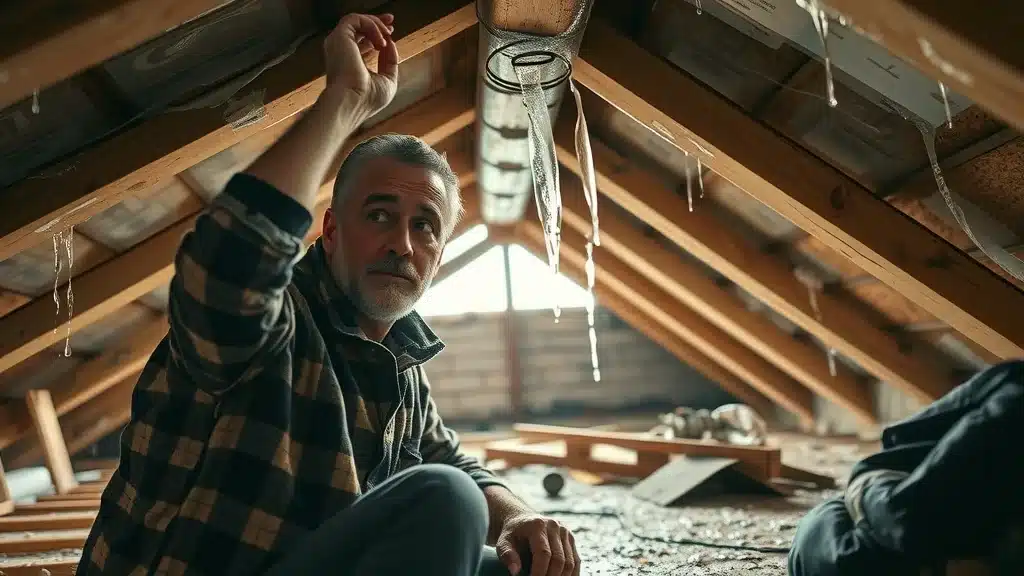
How Winter Storms Result in Water Damage in Columbia, SC
The Science Behind Ice Storms and Home Damage
Ice storms are a perfect storm system for property damage. When freezing rain falls and accumulates, it weighs down roofs and gutters, strains insulation and weatherproofing, and can even collapse less sturdy structures. As the temperature fluctuates, ice melts rapidly—often traveling under shingles and into homes before you can react. In Columbia, ice accumulation is particularly destructive because homes are rarely built with heavy winter conditions in mind. Power outages compound these problems, causing critical sump pumps to fail and pipes to freeze or burst due to lack of adequate heating.
Another overlooked danger is that state of emergency protocol can disrupt regular city services, as emergency crews prioritize restoring weather service and clearing downed trees and power lines. This leaves homeowners to fend for themselves in the critical hours following a storm. The key science takeaway: melting ice and sudden temperature rises can trigger dense waves of water movement through your home, bypassing standard checks and balances like gutters or foundation grading. The only solution is immediate and diligent monitoring during every winter weather warning—and a robust, expert-backed action plan for what comes next.
- Ice accumulation and structural strain
- Power outages and failed sump pumps
- State of emergency protocol and home protection advice
Expert Tips: Protecting Your Home From Water Damage Caused From an Ice Storm in Columbia SC
- Roof maintenance and inspection
- Pipe insulation and freeze prevention
- Emergency response kits for winter storms
- Using smart sensors for early water leak detection
Proactive measures can make all the difference before a winter storm sets in. Roof maintenance is your first line of defense: clear gutters, check shingle integrity, and schedule an annual inspection, especially before cold weather season. Next, wrap exposed pipes in insulation, particularly in unheated areas—a practical, low-cost way to prevent freezing and bursts. Don’t forget crawlspaces and attics, where rapid temperature changes can catch you off guard.
Emergency response kits—complete with flashlights, batteries, portable heaters, bottled water, and a copy of critical documents—keep you prepared during a state of emergency. For tech-savvy homeowners, investing in smart water leak sensors and remote shut-off valves can alert you to issues even if you lose power or are away from home. The experts are unanimous: preparation, vigilance, and regular check-ups keep costly disaster at bay. Columbia residents, in particular, must treat every winter weather advisory as a pivotal warning—because, in this region, an ounce of prevention is truly worth thousands in cure.

Immediate Steps to Take After Water Damage Caused From an Ice Storm in Columbia SC
- Contact local water damage experts
- Document damage for insurance
- Begin safe cleanup and drying ASAP
The window for stopping further water damage caused from an ice storm in Columbia SC is brief—every minute counts. Start by contacting local water damage restoration experts who understand the unique perils of Columbia’s geography and climate. Restoration professionals have the right equipment for safe water extraction, mold prevention, and thorough drying, which are crucial after a winter storm or power outage event.
At the same time, document all damage. Take clear photos and videos of affected areas—attic ceilings, burst pipes, soaked carpets, warped floors, and foundation cracks. Maintain a detailed log for every insurance claim and rapidly initiate contact with your provider. As you wait for help, and only if it’s safe, begin removing standing water. Use large fans, open windows when outdoor conditions allow, and elevate furniture to minimize further losses. Remember—mold and structural compromise set in fast. Acting within 24 to 48 hours can drastically reduce recovery costs, prevent health hazards, and get you back on track before the next winter weather system arrives.

Comparative List: Water Damage Caused by Ice Storms vs. Other Natural Events
| Event | Typical Damage Site | Frequency in Columbia |
|---|---|---|
| Ice Storm | Roofs, pipes, attics | Infrequent but severe |
| Flood | Basements, ground floors | Occasional |
| Hurricane | Windows, exteriors | Rare |
Winter Storm Frequently Asked Questions for Columbia, SC Homeowners
When was the 2015 flood in Columbia, SC?
The 2015 flood struck Columbia in early October and was considered a 1,000-year event, leading to severe water damage throughout South Carolina.
When was the last time it snowed in Columbia, SC?
The last significant snowfall in Columbia, SC occurred in January 2022, though ice events are more frequent and dangerous for water damage than snow.
Is Columbia, South Carolina in a flood zone?
Large portions of Columbia are FEMA-designated flood zones, making homes vulnerable to water damage from both floods and ice storm runoff.
Can I drink tap water in Columbia, SC?
During and after major winter storms or floods, residents should check local advisories as tap water may be unsafe following infrastructure damage and a state of emergency declaration.
Watch: Real-Life Stories of Water Damage Caused From an Ice Storm in Columbia SC
Watch: Homeowner Checklist for Preventing Ice Storm Water Damage in Columbia SC
Key Takeaways: How to Handle Water Damage Caused From an Ice Storm in Columbia SC
- Ice storms pose unique, severe threats of water damage—preparation is essential.
- Columbia’s location and weather patterns make it especially vulnerable.
- Immediate expert intervention limits damage and lowers repair costs.

FAQs: Water Damage Caused From an Ice Storm in Columbia SC
- How much does water damage repair cost in Columbia, SC after an ice storm?
Repair costs typically range from $5,000 to over $40,000, depending on damage severity. Prompt cleanup and expert restoration help control costs. - Will homeowners insurance cover water damage from an ice storm?
Many policies cover water damage from sudden events like frozen pipes, but exclusions may apply for gradual or neglected damage. Always consult your insurance agent about storm-specific coverage in South Carolina. - What is the best way to dry out a home after an ice storm?
Remove standing water immediately, use industrial fans and dehumidifiers, and consult water damage experts for comprehensive drying and mold prevention, especially after power outages. - Can ice storm-related mold be prevented with quick action?
Yes. Dry within 24–48 hours, remove wet materials, and ventilate thoroughly to prevent mold colonization in storm-affected areas.
A Better Tomorrow: Stay Safe From Water Damage Caused From an Ice Storm in Columbia SC
“Acting quickly after an ice storm can mean the difference between minor repairs and catastrophic water damage losses.”
Contact Water Damage Experts in Columbia SC for Immediate Help
- Need urgent water damage assessment and repair? Reach out to your local professionals for fast, reliable service: https://palmettomoldexperts.com/
Conclusion
Preparation and swift action are essential: protect your Columbia home, act on storm warnings, and trust local experts to guide you back to safety and recovery after an ice storm.
If you’re looking to deepen your understanding of home safety and environmental health in South Carolina, exploring the full spectrum of mold removal, remediation, and testing services available in the region can provide valuable peace of mind. By staying informed about advanced prevention strategies and professional solutions, you’ll be better equipped to protect your property from future storms and hidden hazards. Take the next step in safeguarding your home—knowledge and preparation are your best defenses against the unpredictable nature of South Carolina’s weather.
Sources
- National Weather Service – https://www.weather.gov/
- FEMA Flood Zones – https://www.fema.gov/flood-zones
- Palmetto Mold Experts – https://palmettomoldexperts.com/
- Post and Courier – https://www.postandcourier.com/
- City of Columbia, SC – https://www.columbiasc.gov/
In Columbia, SC, ice storms can lead to significant water damage due to freezing temperatures causing pipes to burst and ice accumulation affecting structures. For instance, during Winter Storm Elliott in December 2022, the city experienced numerous water line breaks and increased water flow, leading to low water pressure in some areas. (columbiasc.gov) Additionally, in January 2025, Columbia Water reported over 140 water main breaks due to freezing temperatures, highlighting the vulnerability of the city’s infrastructure to such weather events. (wistv.com)
To mitigate these risks, it’s crucial to take preventive measures such as insulating pipes, sealing drafts, and being prepared for potential water damage. In the event of water damage, contacting local restoration services promptly can help minimize the impact and facilitate recovery.