Maximize Your Insurance Water Damage Claims—Here’s How in Columbia SC

Mr. Water Damage Water Damage Restoration
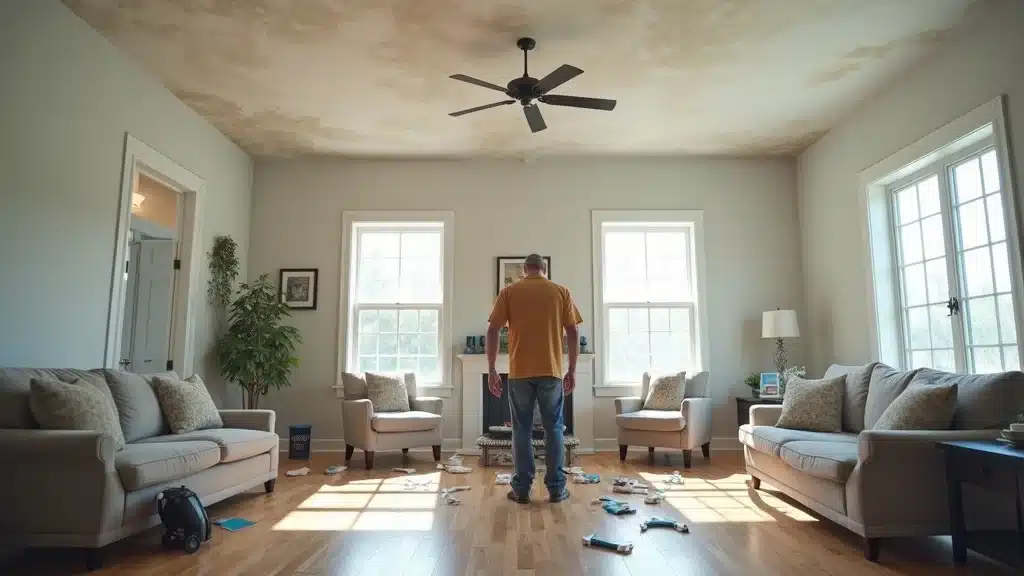
A man stands in the middle of a bright living room with stained ceiling and scattered debris on the wooden floor, surrounded by beige sofas and large windows letting in natural light.

Did you know that more than 20% of water damage claims in Columbia SC are denied or underpaid due to common mistakes and misunderstood policy coverage? Whether it’s a burst pipe, leaky roof, or unexpected storm flood, getting the full insurance payout you deserve can seem daunting and complicated. This in-depth guide provides you step-by-step strategies, expert insights, and actionable tips to help homeowners in Columbia, South Carolina, maximize their insurance water damage claims so you’re not left footing the bill.

Revealing the Truth About Insurance Water Damage Claims in Columbia SC

For homeowners in Columbia SC, understanding insurance water damage claims is critical to ensuring you recoup losses from unexpected water-related disasters. Many think all water damage is covered by their homeowners insurance, but policies often have tricky exclusions and limitations. In South Carolina’s unpredictable climate, claims are complicated by the need to distinguish between events like a sudden water leak, gradual damage, or weather-driven flooding.

From navigating homeowner and flood insurance policies to learning what’s covered by your home insurance and how to properly document the damage claim, this guide will show you how to overcome common roadblocks and secure a fair payout. We’ll also spotlight expert advice from local Columbia water damage professionals, so you avoid preventable mistakes, move quickly after disaster, and make informed decisions when filing insurance claims.
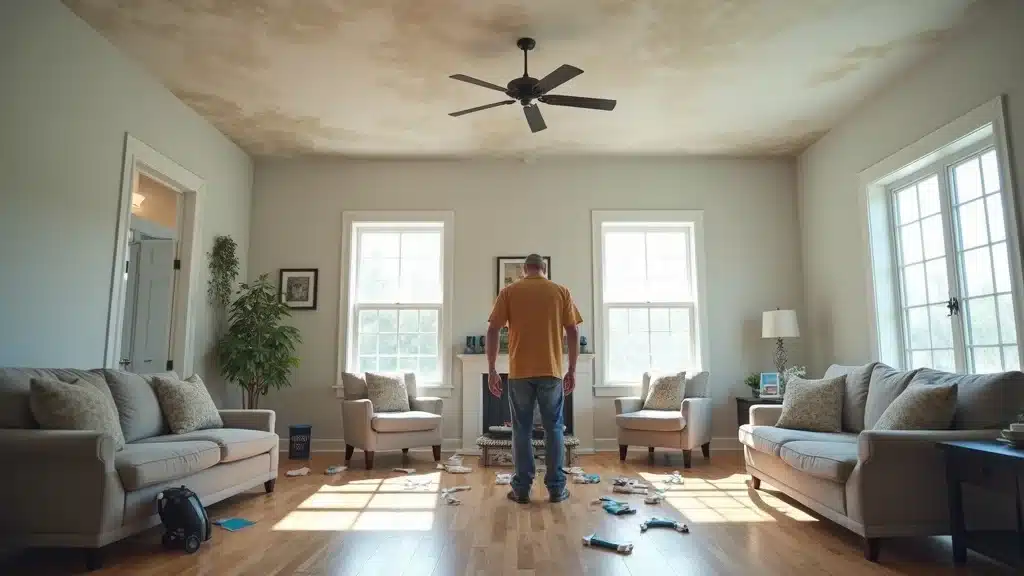
Columbia SC home interior with water damage, concerned homeowner examining ceiling stains—insurance water damage claims visual

What You’ll Learn About Insurance Water Damage Claims

  • How insurance water damage claims work in Columbia SC
  • Differences between homeowners insurance and flood insurance for water damage claims
  • Strategies to maximize your water damage claim payout
  • Common mistakes that lead to denied insurance claims
  • Expert tips from local Columbia water damage professionals

While navigating water damage claims, it’s important to remember that lingering moisture can often lead to mold growth, which may complicate both the restoration process and your insurance coverage. If you suspect mold or want to understand how professional remediation fits into your claim, explore this detailed guide on mold removal, remediation, and testing in South Carolina for practical steps and expert insights.

Understanding Insurance Water Damage Claims: The Basics

Navigating insurance water damage claims starts with understanding key definitions. Water damage refers to harm to your home or personal property caused by water intruding where it shouldn’t be, whether suddenly (like burst pipes) or gradually (such as slow leaks). An insurance water damage claim is a formal request to your insurance company for compensation to repair or replace property damaged by a covered water event. These claims are common in Columbia SC due to the region’s humidity, aging homes, and storm activity.

Typically, homeowners insurance covers “sudden and accidental” water damage—think an ice maker breaking or a water heater rupture. However, it won’t pay for gradual wear, lack of maintenance, or flood damage from surface water—a gap that only flood insurance through the National Flood Insurance Program (NFIP) can fill. Understanding where your insurance policy draws these lines is essential to avoid surprises when you file a claim and to maximize your payout.

  • Definitions: water damage, insurance water damage claim, damage claim
  • Types of water damage covered by homeowners insurance
  • Role of flood insurance and the National Flood Insurance Program

Comparing homeowners insurance and flood insurance paperwork—insurance water damage claims documentation

Insurance Water Damage Claims vs. Homeowners Insurance and Flood Insurance

Not all water damage is covered by your homeowners insurance. While most standard policies pay for water damage from unexpected internal sources (burst appliance pipes, HVAC overflows, sudden roof leaks), they exclude coverage for surface water or flooding. That crucial protection requires a dedicated flood insurance policy—often purchased via the National Flood Insurance Program (NFIP)—because flood damage from external events like hurricanes or heavy rain is a different risk class.

It helps to compare covered vs. not covered scenarios. For example, if your washing machine hose breaks and ruins your flooring, most homeowners insurance policies recognize it as a “sudden and accidental” event—eligible for a damage claim. In contrast, damage from water intrusion due to poor foundation sealing or a local river flooding your street requires a separate flood insurance claim. Know these distinctions helps you determine which insurance claim process is right for your situation, and how to secure full insurance cover for water-related losses.

  • What is typically covered by homeowners insurance?
  • When is a separate flood insurance policy necessary?
  • Covered vs. not covered scenarios: home insurance, flood insurance, and insurance cover
Comparison of Homeowners Insurance vs. Flood Insurance for Water Damage Claims
Type of Damage Homeowners Insurance Flood Insurance (NFIP)
Burst Pipe or Appliance Leak Usually Covered Not Covered
Roof Leak from Storm Covered (if sudden) Not Covered
Flood from Heavy Rain/Overflow Not Covered Covered
Gradual Basement Seepage Not Covered Not Covered
Mold Resulting from Covered Event Sometimes Covered (limits apply) Sometimes Covered (limits apply)

“Most water damage claims are denied because the source of the water or maintenance neglect falls outside policy coverage. Understanding your insurance program details is crucial.” — Local Columbia Insurance Adjuster

How Insurance Water Damage Claims Work in Columbia SC

Filing insurance water damage claims in Columbia SC follows a structured process, beginning with immediate reporting after the incident. Start by documenting the damage, stopping the source of water if safely possible, and notifying your insurance company promptly. An insurance adjuster will inspect the damaged area, reviewing the site and evaluating supporting evidence—such as photos, repair estimates, and proof of ownership of affected personal property.

Having key documents ready—like receipts, inventory lists, and contractor reports—streamlines the claim. It’s vital to adhere to your insurer’s required timeframes: most policies set strict deadlines (typically between 30-60 days) for reporting water damage and submitting claim paperwork. Failure to act quickly can jeopardize your insurance cover or reduce your eligible payout. Always communicate proactively with both your insurance company and chosen restoration professionals to ensure a transparent process.

  • The insurance claim process: from inspection to payout
  • Key documents for a damage claim
  • Timeframes and limitations for filing insurance claims
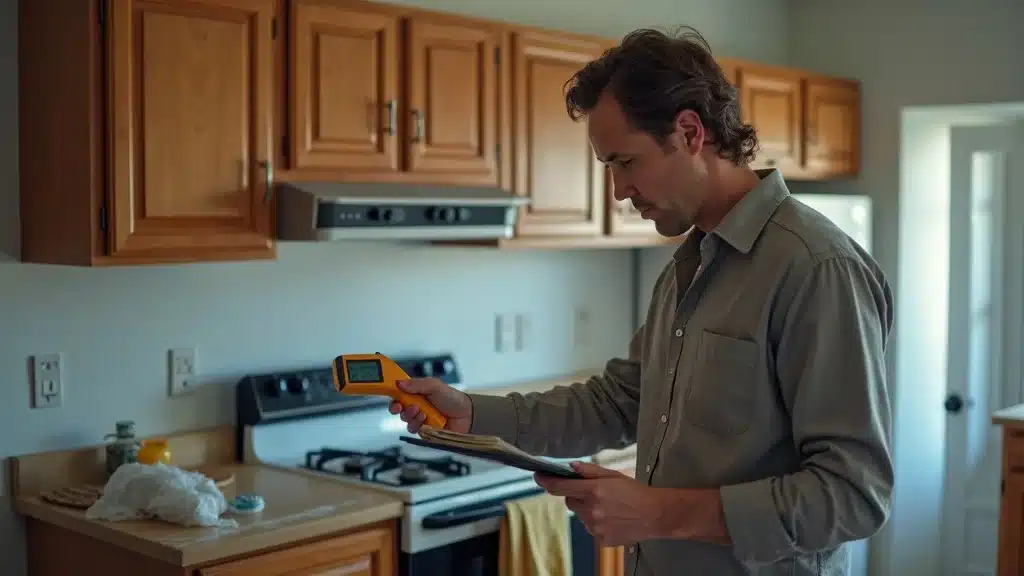
Professional insurance adjuster inspecting water damaged kitchen in Columbia SC—insurance water damage claim process

Essential Documentation for Insurance Water Damage Claims

Your documentation can make—or break—your water damage claim. To maximize your insurance claim, provide thorough, timely evidence of the loss. Take clear photographs and videos of all affected rooms, structural damage, and ruined possessions. Build a detailed inventory of your personal property including replacement receipts, repair estimates, or original purchase information. Accurate info helps the insurance adjuster assess the true extent of your loss.

For sudden water leak problems, immediately record where the leak happened, what caused it, and how long the problem persisted. Include expert assessments from your restoration or plumbing professional, especially if you suspect hidden damage or mold. When reporting, be honest and complete—exaggerating or omitting information can delay or result in denial of your insurance cover. Organized, prompt documentation is the foundation of a successful claim, so take the process seriously.

  • Photographs and video evidence of water damage
  • Detailed inventory of personal property and repairs
  • How to report sudden and accidental water leak problems

Columbia SC homeowner assembling photo and inventory evidence for water damage insurance claim

“Timely, accurate documentation is your strongest ally in maximizing your water damage insurance claim.” — Certified Public Adjuster, Columbia SC

Common Obstacles in Water Damage Claims and How to Overcome Them

Many residents face insurance claim denials, delays, or reduced payouts because of preventable issues. Top reasons for denial include policy exclusions, late reporting, lack of maintenance, and insufficient proof of a “sudden and accidental” water leak. Another pitfall is misunderstanding the limitations of your insurance policy: for example, gradual damage from old plumbing or unresolved leaks is rarely covered, while mold caused by a covered event has strict caps on compensation.

Your proactive defense lies in knowing the limits of insurance cover. Read your policy’s fine print about covered vs. not covered events—especially exclusions like flood damage, gradual deterioration, and neglect. Document all preventative maintenance regularly, and work with trusted restoration companies who can provide expert testimony and paperwork if your carrier challenges your claim. Being prepared and fully informed can mean the difference between a denied claim and a substantial payout.

  • Insurance claim denials: top reasons and prevention
  • Limits of insurance cover for gradual damage vs. sudden and accidental events
  • Understanding exclusions like mold, gradual deterioration, and flood damage

Frustrated Columbia SC homeowner on the phone about denied insurance water damage claim

Steps to Maximize Your Insurance Water Damage Claims Payout

To get the most from your insurance water damage claim, take swift, decisive action. Start by immediately stopping further damage: shut off water, rescue valuable items, and begin drying affected areas if safe. Contact a reputable water damage restoration company in Columbia SC; their expertise helps document loss, perform emergency cleanup, and provide the repair estimates insurers need. Restoration pros often discover hidden water or mold damage crucial for your full claim.

Working with these experts also ensures proper communication with insurance adjusters and increases the chance of a fair settlement. If you feel your adjuster’s estimate is too low, negotiate with supporting documentation from restoration specialists, contractors, or public adjusters. Don’t accept a denial or low offer without exploring your options. Always keep copies of all correspondence, paperwork, and receipts throughout the claim process to build a solid case for every dollar owed.

  • Immediate actions after water damage occurs
  • Working with water damage restoration experts in Columbia SC
  • Negotiating with insurance adjusters for a fair settlement
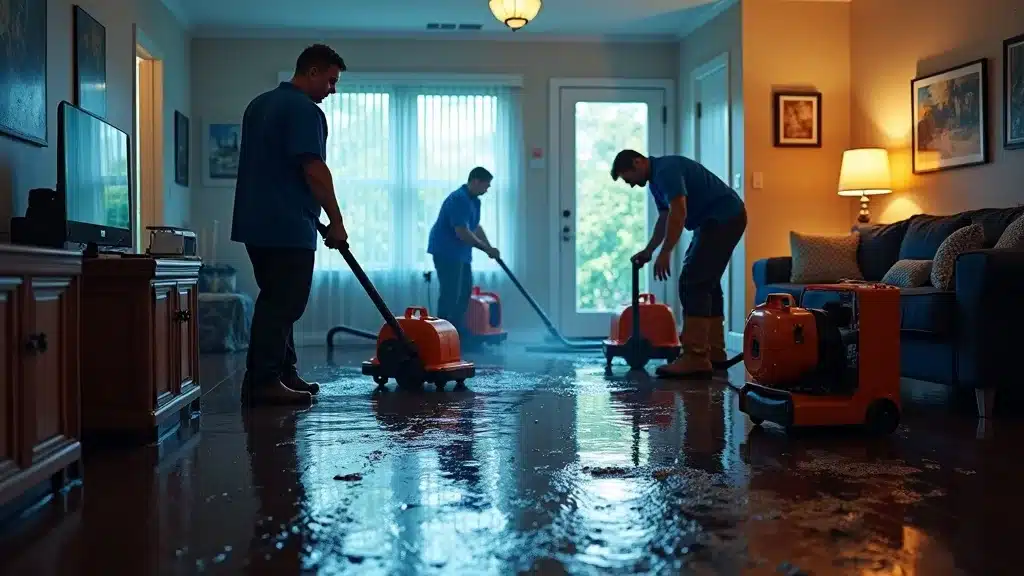
Water damage restoration experts deploying drying equipment in a flooded Columbia SC living room

Insurance Water Damage Claims: Covered vs. Not Covered Events

Covered and Not Covered Water Damage Events by Insurance Type
Event Homeowners Insurance Flood Insurance
Burst Pipe Inside Walls Covered Not Covered
Storm-Driven Roof Leak Covered (if not maintenance) Not Covered
Rising Water from Streets/Streams Not Covered Covered
Gradual Pipe Corrosion Not Covered Not Covered
Backed Up Sewer Line Extra coverage required Not Covered
Mold from Covered Event Partially Covered Sometimes Covered

People Also Ask: Insurance Water Damage Claims in Columbia SC

How much does insurance pay for water damage?

The amount insurance pays for water damage depends on several factors, including your policy limits, deductible, and the verified extent of damage to your home and personal property. Typically, standard homeowners insurance policies in Columbia SC will cover up to the dwelling and contents limits for sudden and accidental damage, minus depreciation on certain items. Flood insurance via the National Flood Insurance Program has separate limits and may not include contents unless you purchase additional coverage. A professional assessment and detailed documentation can help maximize the payout on your damage claim.

How long after water damage can you claim on insurance?

For insurance water damage claims, you should report the damage to your insurance company as soon as possible—ideally within 24-48 hours. Most policies set a strict window for filing a claim, typically 30 to 60 days from the date the damage occurred. Delaying can result in reduced coverage or outright denial, especially if further damage happens while you wait. Always check your specific insurance policy for required timelines, and don’t hesitate to begin documentation and mitigation immediately after noticing the water damage.

How to get the most out of a water damage claim?

To get the most out of a water damage claim, document everything meticulously from the start. Take photos and videos, list all affected personal property, and gather repair estimates from reputable Columbia SC restoration companies. Notify your insurance carrier promptly, provide all requested documentation, and, if needed, consult a public adjuster or water damage expert to negotiate on your behalf. Avoid making permanent repairs until your adjuster completes the inspection to ensure you don’t limit your coverage.

Satisfied Columbia SC homeowner partnering with a water damage restoration expert after successful insurance claim

What kind of water damage is not covered by insurance?

Most homeowners insurance policies do not cover water damage caused by maintenance issues, wear and tear, gradual leaks, or flood damage from rising water. These are regarded as preventable or outside the “sudden and accidental” rule. Mold remediation is often excluded unless it directly results from a covered event. For flood-related claims, you need a flood insurance policy, and even then, certain categories like basement contents or landscaping may not be covered. Always review your insurance policy for specific exclusions and purchase additional endorsements if needed.

Expert Tips: Avoiding Water Damage Claim Pitfalls

  • Double-check your insurance policy and homeowners policy for coverage gaps and exclusions.
  • Invest in preventive maintenance (like annual plumbing inspections) to avoid denied damage claims for gradual leaks or wear.
  • If your claim is denied or the payout is low, get a second opinion from a trusted water damage restoration company in Columbia SC.
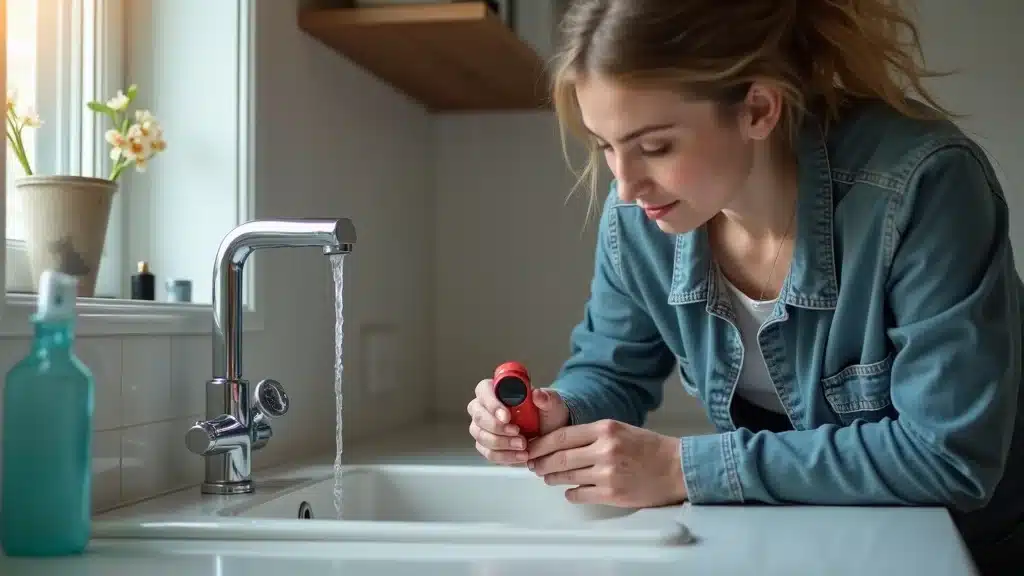
Proactive Columbia SC homeowner inspecting under-sink plumbing for water damage prevention

Frequently Asked Questions: Insurance Water Damage Claims in Columbia SC

  • What should I do first after discovering water damage?
    Immediately stop further water flow, document the scene with photos and videos, move undamaged items out of the area, and call your insurance company and a local restoration expert.
  • Can I file multiple water damage claims in one year?
    Yes, you can file multiple claims, but frequent claims may raise premiums or lead your policy to be non-renewed. Always discuss consequences with your insurer.
  • How does the insurance adjuster calculate the payout?
    The adjuster reviews your evidence, repair estimates, receipts, and policy limits/deductibles to determine the payout, minus depreciation for certain personal property.
  • Is water leak damage always covered?
    Only if the water leak is sudden, accidental, and not due to lack of maintenance. Gradual leaks and lack of repair are commonly excluded by most insurance policies.
  • Will my premiums increase after a water damage claim?
    It is possible. Multiple or high-value insurance claims can result in higher premiums or non-renewal, so balance claiming with the size of the loss and long-term costs.

Key Takeaways: Maximizing Your Insurance Water Damage Claims

  • Document all water damage thoroughly and act quickly.
  • Understand differences between homeowners insurance and flood insurance before a loss occurs.
  • Know what is covered by your policy and where exclusions exist.
  • Consult with local Columbia water damage specialists for complex claims or disputes.

Partner with Water Damage Experts in Columbia SC

Dealing with water damage can be overwhelming, but you don’t have to navigate insurance water damage claims alone. Qualified professionals, like those at Water Damage Experts in Columbia, provide fast response, comprehensive documentation, and expert advice tailored to South Carolina policies. This partnership maximizes your chances for a successful, stress-free claim—restoring your home and peace of mind.

Trusted water damage restoration professionals in Columbia SC, posing with equipment for insurance water damage claims

Conclusion: Take Charge of Your Insurance Water Damage Claims

Equipped with the right knowledge and support, you can turn a stressful water damage incident into a manageable insurance success story—protecting your home and your wallet in Columbia SC.

If you’re ready to take your home protection to the next level, consider learning more about the broader risks and solutions surrounding water damage, including the critical role of mold remediation and indoor air quality. By understanding the full spectrum of restoration and prevention—from insurance claims to expert mold testing—you’ll be empowered to safeguard your property and your family’s health for years to come. For a comprehensive look at advanced remediation strategies and the latest in mold testing technology, visit the in-depth resource on mold removal, remediation, and testing in South Carolina. Your next step toward a safer, healthier home starts with knowledge and proactive action.

Sources

To further empower Columbia homeowners dealing with insurance water damage claims, consider exploring Mold Removal, Remediation, and Testing in South Carolina for an in-depth overview of how professional mold services can intersect with your insurance process and enhance your home’s safety after water incidents. For those interested in expert-backed guidance and real-world updates, the Palmetto Mold Experts Facebook page offers timely tips, community stories, and access to specialists who understand South Carolina’s unique challenges. If you’re serious about maximizing your insurance water damage claims in Columbia SC, these resources will give you the practical tools, expert insight, and ongoing support you need.


Water Damage Caused From An Ice Storm In Columbia SC? Act Fast Now

Mr. Water Damage Water Damage Restoration
An older man stands outside near a building, looking thoughtfully at a quiet, wet suburban street on a cold, overcast day. Bare trees and houses line the street, with patches of snow on the ground.

Did you know? A single inch of water in your home can cause more than $25,000 in damage—a shocking reality many Columbia, SC, homeowners face after an ice storm strikes

Unprecedented Impact: Understanding Water Damage Caused From an Ice Storm in Columbia SC

When an ice storm barrels through South Carolina, Columbia residents feel its effects long after the last shard of freezing rain melts away. Columbia’s unique geography and climate, combined with rare but powerful winter storms, set the stage for significant water damage caused from an ice storm in Columbia SC. Melting ice infiltrates attics, bursts pipes freeze and shatter, and overwhelmed storm water systems fail, leading many to declare a state of emergency.

What makes these events so destructive is their unpredictability—not just in terms of the storm’s severity, but also where and how water damage strikes. Homeowners may discover leaks in attics, water stains creeping down walls, or foundation seepage that can linger undetected for weeks. Factors like ice accumulation, power outages, and extended freezing punctuate the aftermath, often requiring significant expert intervention for cleanup and restoration. Understanding these unique threats can help you better protect your Maryland home and respond rapidly when warnings arrive with the next winter storm watch.

water damage caused from an ice storm in columbia sc - worried homeowner gazing out frosty window in a cold, overcast Columbia, SC neighborhood

Startling Facts About Water Damage and Ice Storms in South Carolina

“A single inch of water in your home can cause more than $25,000 in damage—an all too common reality after an ice storm in Columbia, SC.”

Consider the numbers: After major winter storms, the National Weather Service reports that hundreds of homes across parts of South Carolina suffer from severe water infiltration. Power outages—sometimes lasting days—lead to frozen pipes and failed sump pumps. That’s why the South Carolina Emergency Management Division urges residents to prepare for water damage even before a state of emergency is officially declared. Experts highlight that persistent dampness fosters rapid mold growth, threatening your home’s structure and your family’s health. Act fast, and you can prevent the cycle of restoration and recurring repair expenses from spiraling out of control.

Persistent moisture after an ice storm can quickly lead to mold issues, which is why understanding the importance of professional mold removal and remediation in South Carolina is crucial for homeowners. Addressing water damage promptly not only protects your property but also helps safeguard your indoor air quality and long-term health.

Defining Water Damage Caused From an Ice Storm in Columbia SC

Water damage caused from an ice storm in Columbia SC refers to the range of issues triggered by rapid freezing, ice build-up, and subsequent thawing during a winter storm. The most common problems include attic and roof leaks from ice dams, burst water pipes due to freezing, and seeping water entering basements and foundations during the thaw. Unlike flooding from tropical storms or hurricanes—which typically affects ground-level structures—ice storm water intrusion targets both upper and lower sections of your home, often remaining hidden until significant damage has occurred. This unique blend of structural and environmental factors means Columbia residents need specialized preparation and recovery strategies.

Another crucial aspect is the indirect pressure placed on home systems—ice accumulation can collapse gutters and infiltrate rooflines, especially in older homes or those situated in high-risk flood zones. The interplay of local climate, sub-freezing temperatures, and sudden power loss amplifies this risk. Recognizing these defining features prepares you to act decisively before, during, and after the next major winter weather event.

The Role of Winter Storms and States of Emergency

Ice storms are rare but potent in Columbia’s climate, prompting officials—such as Henry McMaster—to sometimes declare a state of emergency for the safety of residents. During a winter storm watch, city services work overtime: the Columbia Water team braces for potential supply disruptions, while emergency operations ramp up shelter and recovery efforts. Power lines droop under the weight of freezing rain, and trees and power lines often snap, causing widespread outages. The designation of a state emergency allows for faster deployment of resources and insurance responses, but also signals the need for immediate homeowner vigilance. Knowing when and why such declarations occur is vital to securing both your property and your wellbeing during the throes of an ice-laden storm system.

Preparation starts with understanding these government alerts and the weather service forecasts. Each announcement is a call to action: inspect your pipes, seal vulnerable areas, and have your emergency kits ready. Waiting for a full-blown state of emergency declaration before acting may leave you a step behind—proactivity is your critical first defense.

What You’ll Learn in This Guide About Water Damage Caused From an Ice Storm in Columbia SC

  • The immediate and long-term risks of winter storm-related water damage
  • How Columbia’s climate and geography affect the severity of ice storm water damage
  • Effective steps you can take to protect your home before, during, and after an ice storm

Why Columbia, SC Is at Risk: Geography, Climate, and History

Columbia, SC, finds itself at the crossroads of meteorological chaos every winter. Sandwiched between coastal and upstate regions, the city experiences sharp cold spells juxtaposed with sudden thaws—prime conditions for ice storm formation. This geographic reality puts Columbia homeowners especially at risk for water damage caused from an ice storm. Historical patterns reveal that ice storms are less frequent than floods, but when they strike, they cause disproportionate suffering, property losses, and costly repairs.

Adding to the challenge is Columbia’s unique urban development. Many neighborhoods sit within or adjacent to FEMA flood zones, while mature trees and aging infrastructure provide little resistance against ice accumulation. The resulting interplay of melting snow, heavy rainfall, and runoff overwhelms ground water systems, often causing water to seep directly into the foundations of homes. It’s a sobering lesson—one etched into the city’s memory by past disasters, from the 2015 flood to the notorious ice storm of 2014. Homeowners simply cannot afford to ignore these climatic warning signs.

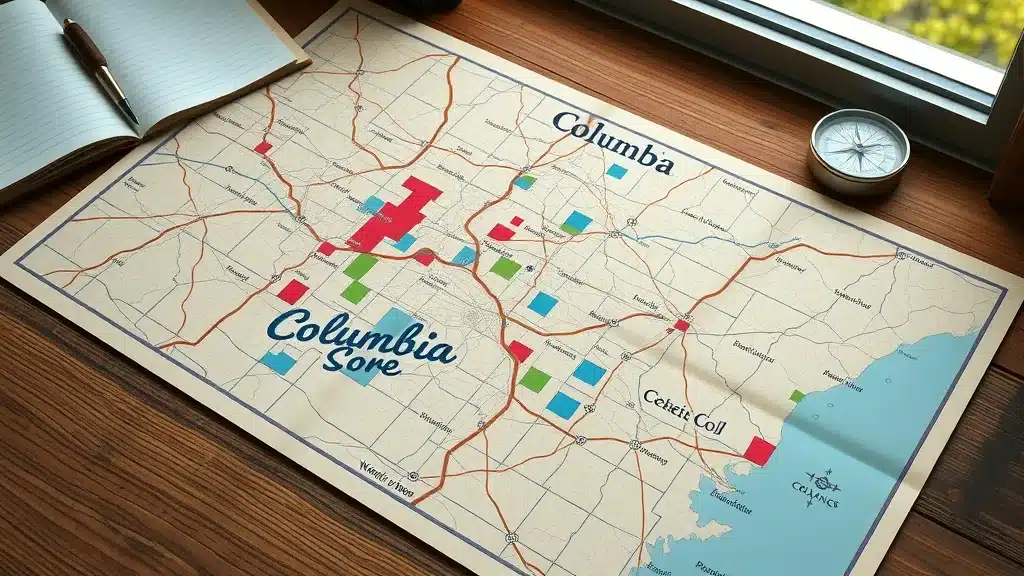
Detailed map showing flood zones and vulnerable neighborhoods in Columbia, SC - water damage caused from an ice storm

Columbia’s Experience With Winter Storms and Flood Zones

Over the years, Columbia, SC, has weathered some of the harshest winter storms recorded in the Southeast, from the devastating 2015 flood—recognized as a 1,000-year event—to severe ice storms that left thousands without power for days. These calamities revealed the city’s vulnerability not just to open floodwaters but also to the stealthy advance of melting ice infiltrating cracks and crawlspaces. Homeowners living within FEMA-designated flood zones must be especially vigilant, as water intrusion is often compounded by overwhelmed infrastructure and blocked water service routes.

A lesson from history: the aftermath of the 2014 ice storm triggered a substantial increase in insurance claims relating to burst pipes and roof leaks, while the 2021 ice event underscored the unpredictability of winter weather in the region. Each winter storm serves as a reminder to keep home maintenance, emergency supplies, and proactive inspections top of mind. Protecting your property requires understanding the past, recognizing warning signs, and placing preparedness front and center—even when a state of emergency feels unlikely.

  • Past winter storms in South Carolina and their aftermath
  • Flood zones: What homeowners must know

Table: Major Winter Storms and Water Damage Events in Columbia, SC

Year Event State of Emergency Declared Average Damage per Home
2015 Historic Flood Yes $40,000+
2021 February Ice Storm No $13,000
2014 Ice Storm Yes $22,500

Signs of Water Damage Caused From an Ice Storm in Columbia SC

  • Molten ice infiltration: Attic and roof leaks
  • Frozen and burst pipes
  • Foundation seepage after rapid thaw

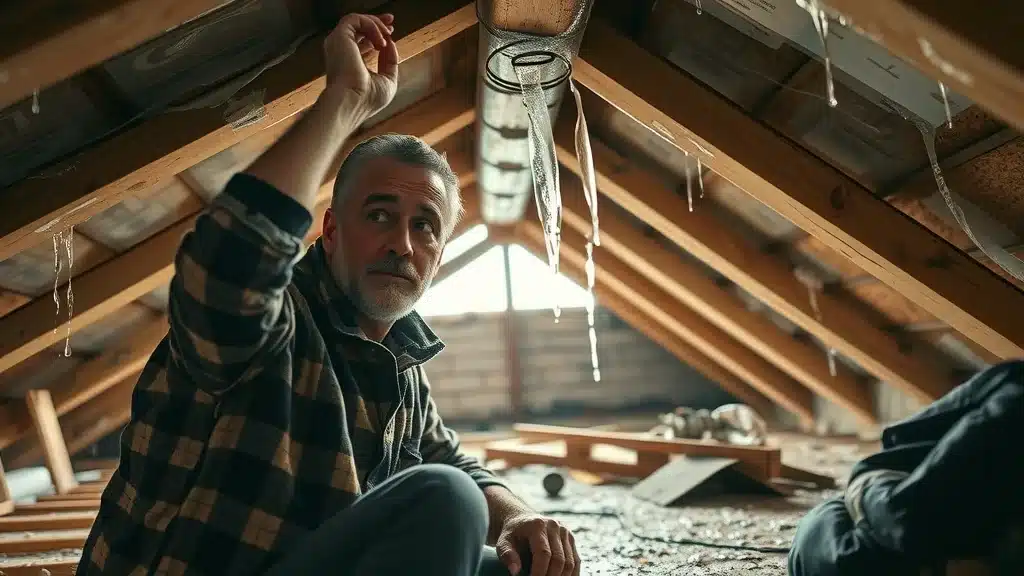
After an ice storm sweeps through Columbia, identifying water damage caused from an ice storm in Columbia SC is essential but not always straightforward. Attic and roof leaks typically manifest as discolored or sagging areas on the ceiling, a musty odor, or visible water dripping down walls. These leaks often result from ice dams—frozen ridges of ice that form at the roof’s edge and prevent proper drainage, forcing melting snow and ice backward under shingles. In severe cases, entire sections of attic insulation may be soaked, increasing the risk of mold and structural deterioration.

Another clear warning sign is the sound or evidence of burst pipes. Water may stop flowing from faucets, and you might hear gurgling or dripping behind walls—both signs of frozen plumbing that can rupture unexpectedly as temperatures fluctuate. Finally, when Columbia’s infamous rapid thaw sets in, water can seep invisibly into foundations and crawlspaces, leading to warped baseboards, wet patches on floors, or increased humidity. Prompt recognition of these indicators allows for faster intervention and may prevent further costly repairs.

Concerned Columbia SC homeowner inspecting attic water damage after ice storm

How Winter Storms Result in Water Damage in Columbia, SC

The Science Behind Ice Storms and Home Damage

Ice storms are a perfect storm system for property damage. When freezing rain falls and accumulates, it weighs down roofs and gutters, strains insulation and weatherproofing, and can even collapse less sturdy structures. As the temperature fluctuates, ice melts rapidly—often traveling under shingles and into homes before you can react. In Columbia, ice accumulation is particularly destructive because homes are rarely built with heavy winter conditions in mind. Power outages compound these problems, causing critical sump pumps to fail and pipes to freeze or burst due to lack of adequate heating.

Another overlooked danger is that state of emergency protocol can disrupt regular city services, as emergency crews prioritize restoring weather service and clearing downed trees and power lines. This leaves homeowners to fend for themselves in the critical hours following a storm. The key science takeaway: melting ice and sudden temperature rises can trigger dense waves of water movement through your home, bypassing standard checks and balances like gutters or foundation grading. The only solution is immediate and diligent monitoring during every winter weather warning—and a robust, expert-backed action plan for what comes next.

  • Ice accumulation and structural strain
  • Power outages and failed sump pumps
  • State of emergency protocol and home protection advice

Expert Tips: Protecting Your Home From Water Damage Caused From an Ice Storm in Columbia SC

  • Roof maintenance and inspection
  • Pipe insulation and freeze prevention
  • Emergency response kits for winter storms
  • Using smart sensors for early water leak detection

Proactive measures can make all the difference before a winter storm sets in. Roof maintenance is your first line of defense: clear gutters, check shingle integrity, and schedule an annual inspection, especially before cold weather season. Next, wrap exposed pipes in insulation, particularly in unheated areas—a practical, low-cost way to prevent freezing and bursts. Don’t forget crawlspaces and attics, where rapid temperature changes can catch you off guard.

Emergency response kits—complete with flashlights, batteries, portable heaters, bottled water, and a copy of critical documents—keep you prepared during a state of emergency. For tech-savvy homeowners, investing in smart water leak sensors and remote shut-off valves can alert you to issues even if you lose power or are away from home. The experts are unanimous: preparation, vigilance, and regular check-ups keep costly disaster at bay. Columbia residents, in particular, must treat every winter weather advisory as a pivotal warning—because, in this region, an ounce of prevention is truly worth thousands in cure.

Columbia homeowner protecting home from water damage caused by an ice storm with pipe insulation

Immediate Steps to Take After Water Damage Caused From an Ice Storm in Columbia SC

  • Contact local water damage experts
  • Document damage for insurance
  • Begin safe cleanup and drying ASAP

The window for stopping further water damage caused from an ice storm in Columbia SC is brief—every minute counts. Start by contacting local water damage restoration experts who understand the unique perils of Columbia’s geography and climate. Restoration professionals have the right equipment for safe water extraction, mold prevention, and thorough drying, which are crucial after a winter storm or power outage event.

At the same time, document all damage. Take clear photos and videos of affected areas—attic ceilings, burst pipes, soaked carpets, warped floors, and foundation cracks. Maintain a detailed log for every insurance claim and rapidly initiate contact with your provider. As you wait for help, and only if it’s safe, begin removing standing water. Use large fans, open windows when outdoor conditions allow, and elevate furniture to minimize further losses. Remember—mold and structural compromise set in fast. Acting within 24 to 48 hours can drastically reduce recovery costs, prevent health hazards, and get you back on track before the next winter weather system arrives.

Emergency cleanup crew responding to water damage after ice storm Columbia SC

Comparative List: Water Damage Caused by Ice Storms vs. Other Natural Events

Event Typical Damage Site Frequency in Columbia
Ice Storm Roofs, pipes, attics Infrequent but severe
Flood Basements, ground floors Occasional
Hurricane Windows, exteriors Rare

Winter Storm Frequently Asked Questions for Columbia, SC Homeowners

When was the 2015 flood in Columbia, SC?

The 2015 flood struck Columbia in early October and was considered a 1,000-year event, leading to severe water damage throughout South Carolina.

When was the last time it snowed in Columbia, SC?

The last significant snowfall in Columbia, SC occurred in January 2022, though ice events are more frequent and dangerous for water damage than snow.

Is Columbia, South Carolina in a flood zone?

Large portions of Columbia are FEMA-designated flood zones, making homes vulnerable to water damage from both floods and ice storm runoff.

Can I drink tap water in Columbia, SC?

During and after major winter storms or floods, residents should check local advisories as tap water may be unsafe following infrastructure damage and a state of emergency declaration.

Watch: Real-Life Stories of Water Damage Caused From an Ice Storm in Columbia SC

Watch: Homeowner Checklist for Preventing Ice Storm Water Damage in Columbia SC

Key Takeaways: How to Handle Water Damage Caused From an Ice Storm in Columbia SC

  • Ice storms pose unique, severe threats of water damage—preparation is essential.
  • Columbia’s location and weather patterns make it especially vulnerable.
  • Immediate expert intervention limits damage and lowers repair costs.

Hopeful Columbia SC family safe after preventing water damage from ice storm

FAQs: Water Damage Caused From an Ice Storm in Columbia SC

  • How much does water damage repair cost in Columbia, SC after an ice storm?
    Repair costs typically range from $5,000 to over $40,000, depending on damage severity. Prompt cleanup and expert restoration help control costs.
  • Will homeowners insurance cover water damage from an ice storm?
    Many policies cover water damage from sudden events like frozen pipes, but exclusions may apply for gradual or neglected damage. Always consult your insurance agent about storm-specific coverage in South Carolina.
  • What is the best way to dry out a home after an ice storm?
    Remove standing water immediately, use industrial fans and dehumidifiers, and consult water damage experts for comprehensive drying and mold prevention, especially after power outages.
  • Can ice storm-related mold be prevented with quick action?
    Yes. Dry within 24–48 hours, remove wet materials, and ventilate thoroughly to prevent mold colonization in storm-affected areas.

A Better Tomorrow: Stay Safe From Water Damage Caused From an Ice Storm in Columbia SC

“Acting quickly after an ice storm can mean the difference between minor repairs and catastrophic water damage losses.”

Contact Water Damage Experts in Columbia SC for Immediate Help

Conclusion

Preparation and swift action are essential: protect your Columbia home, act on storm warnings, and trust local experts to guide you back to safety and recovery after an ice storm.

If you’re looking to deepen your understanding of home safety and environmental health in South Carolina, exploring the full spectrum of mold removal, remediation, and testing services available in the region can provide valuable peace of mind. By staying informed about advanced prevention strategies and professional solutions, you’ll be better equipped to protect your property from future storms and hidden hazards. Take the next step in safeguarding your home—knowledge and preparation are your best defenses against the unpredictable nature of South Carolina’s weather.

Sources

In Columbia, SC, ice storms can lead to significant water damage due to freezing temperatures causing pipes to burst and ice accumulation affecting structures. For instance, during Winter Storm Elliott in December 2022, the city experienced numerous water line breaks and increased water flow, leading to low water pressure in some areas. (columbiasc.gov) Additionally, in January 2025, Columbia Water reported over 140 water main breaks due to freezing temperatures, highlighting the vulnerability of the city’s infrastructure to such weather events. (wistv.com)

To mitigate these risks, it’s crucial to take preventive measures such as insulating pipes, sealing drafts, and being prepared for potential water damage. In the event of water damage, contacting local restoration services promptly can help minimize the impact and facilitate recovery.

Water Damage Cleanup Made Simple—Avoid Costly Mistakes in Columbia SC

Mr. Water Damage Water Damage Restoration
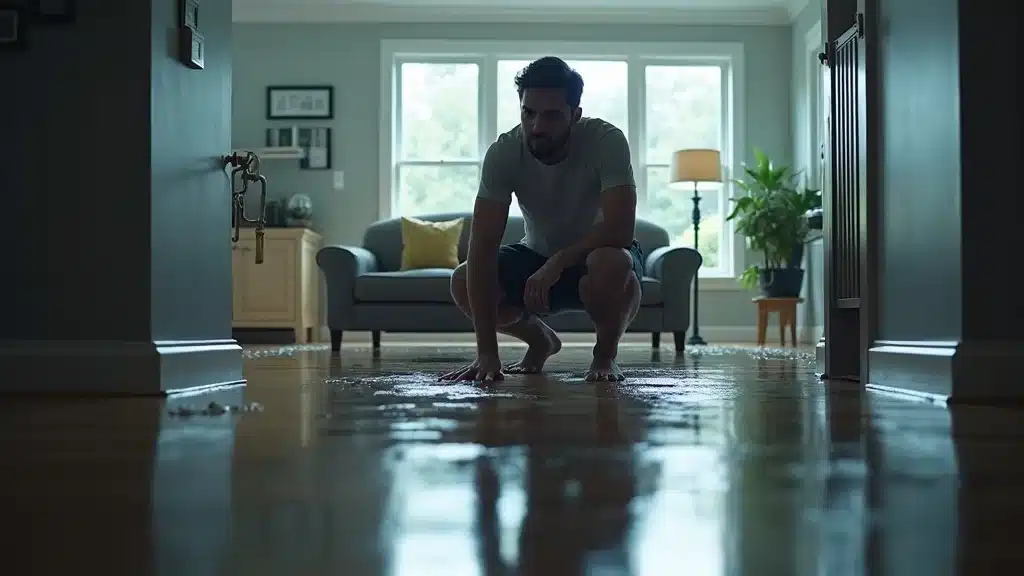
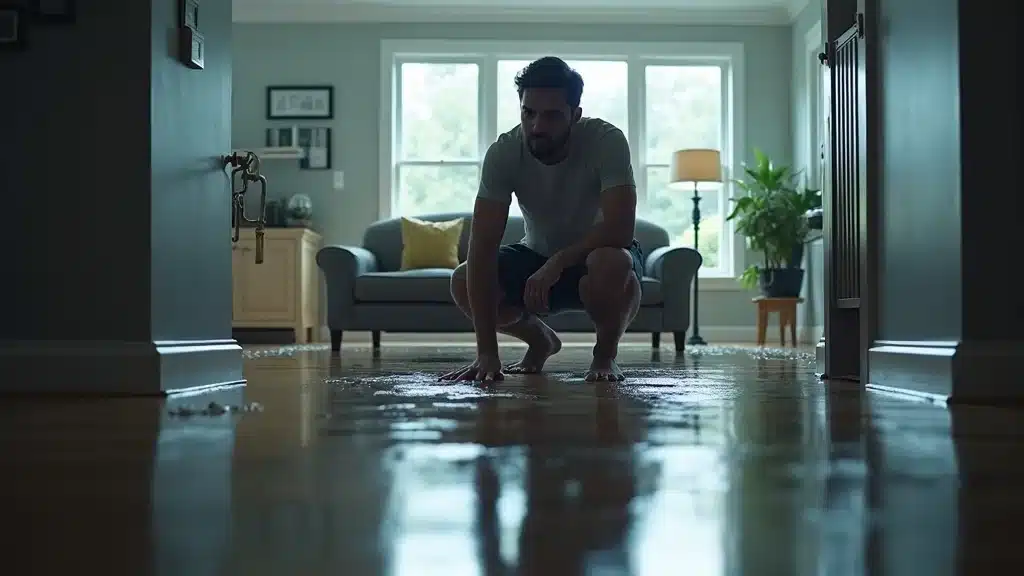
A man crouches on the floor of a living room, touching a large puddle of water on the wooden floor, with a couch, lamp, and plants visible in the background.

Did you know: Every single day, more than 14,000 Americans have a water damage emergency in their home or business? If you’re facing a burst pipe, standing water, or the worrying signs of water damage in Columbia SC, you’re not alone—and you’re right to act fast. This guide demystifies the water damage cleanup process, shows you how to avoid expensive pitfalls, and explains exactly why hiring a pro is often the smartest move. Don’t risk the health of your home, your family, or your wallet: get the facts today and protect your property for good.

Startling Facts: Water Damage Cleanup in Columbia SC

“Over 14,000 people in the US experience a water damage emergency at home or work each day.” — Industry Report

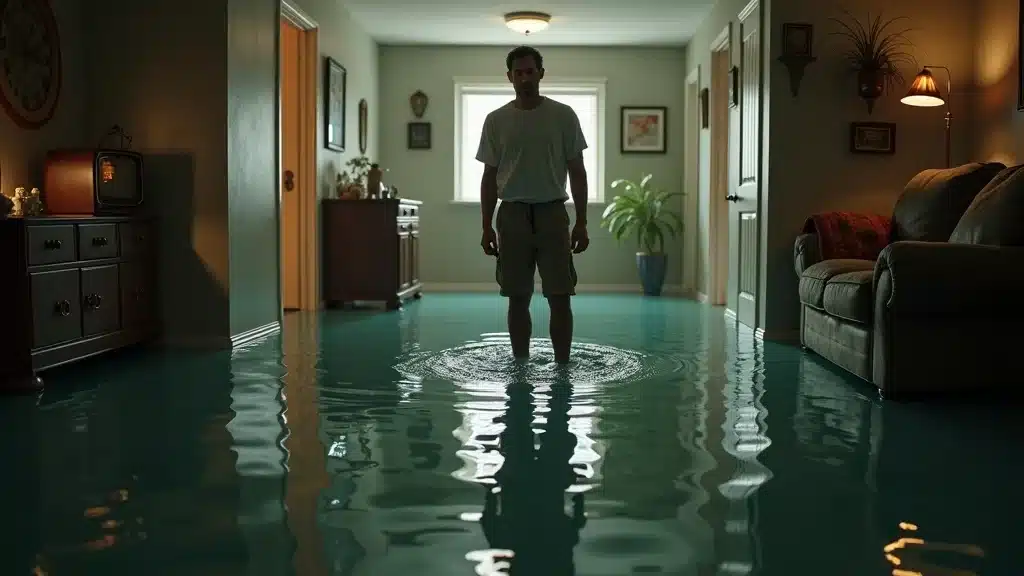
Dramatic flooded interior of a modern Columbia SC home — Concerned young homeowner inspecting water-damaged floors, water damage cleanup, photorealistic, bright living room

Water damage is among the most common—but most misunderstood—threats to homes in Columbia SC. Whether it’s a leaky roof after a thunderstorm, a burst pipe in the winter, or a malfunctioning appliance, the consequences can be catastrophic if not handled quickly and professionally. Many homeowners are shocked to learn how fast a little moisture can escalate into extensive structural damage and harmful mold growth. Even minor delays can turn a minor repair into a major restoration project, increasing both the risk and the cost of water damage restoration. If you’re searching for the best water damage cleanup options in the Columbia area, understanding the scope of the problem is the very first step toward a safe and stress-free recovery.

What You’ll Learn About Water Damage Cleanup and Restoration

  • The essential steps of effective water damage cleanup
  • The risks of improper water damage restoration
  • How to prevent common and costly mistakes
  • Why hiring professionals for water damage cleanup in Columbia SC saves money
  • Answers to your top water damage questions

Understanding Water Damage Cleanup: Protecting Your Home and Health

The Dangers of Untreated Water Damage in Columbia SC

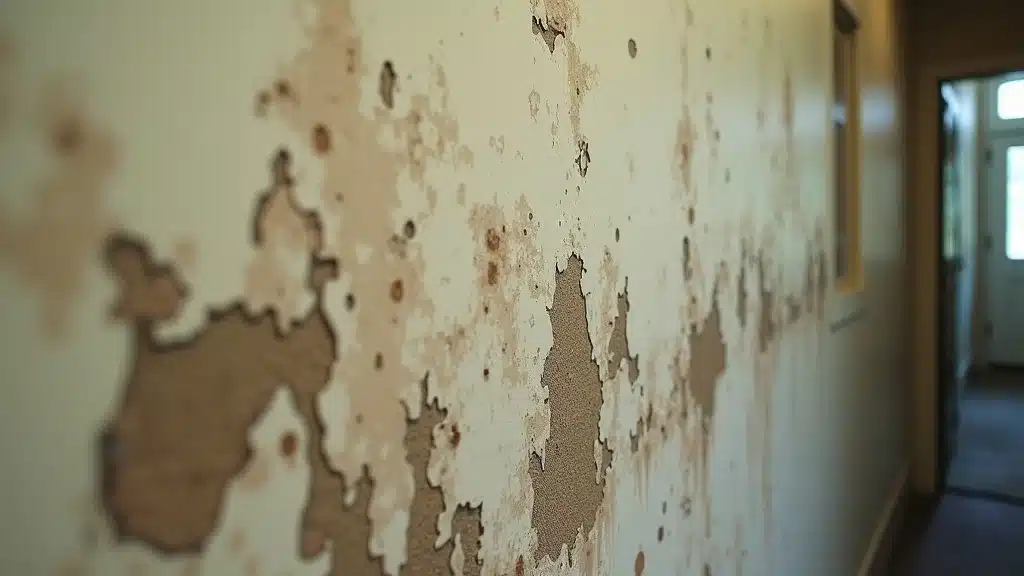
Warning visual of mold on water-stained drywall in a Columbia SC hallway, water damage cleanup, photorealistic, close-up

Allowing water damage to go untreated is an invitation to a host of serious problems in your home or business. The initial visible water may seem manageable, but within 24-48 hours, even small amounts of lingering moisture can trigger rapid mold growth, which is a major health hazard. Mold spores flourish in damp, hidden spaces and can cause respiratory issues, allergic reactions, and even more severe health conditions, especially for children and older adults. Furthermore, untreated water intrusion can lead to lasting structural damage—weakening walls, warping floors, and damaging the very foundation of your home. Professional water damage cleanup is vital to address both seen and unseen threats, ensuring full safety for your family.

It’s also crucial to understand that **improper or delayed water cleanup** may result in insurance claim denials, or escalated costs for damage repair. Most insurance companies expect prompt attention and thorough documentation from homeowners. Delays increase the odds of expensive repairs and a lengthy restoration process, so if you discover water damage, acting immediately is the safest move for your health and your finances.

How Water Damage Affects Affected Areas and Your Property

Water damage doesn’t just stop at the surface. Once water seeps into your property, it aggressively targets the affected areas—from baseboards and drywall to carpet, hardwood, and even electrical systems. Fast-moving water intrusion can saturate building materials, insulation, and personal belongings, requiring advanced techniques to prevent further damage and future mold growth. If the water is contaminated or if it comes from a burst pipe or an outside source, you’ll also face the added risk of bacteria, chemicals, or other hazardous substances in your home environment.

Early signs of water damage—like bubbling paint, warped floors, or peeling wallpaper—usually mean much bigger issues below the surface. If you wait, those warning signals often grow into persistent odors, increased humidity, and costly **damage repairs**. Only a detailed water damage cleanup—addressing standing water, thorough drying, and the removal of damaged material—can guarantee your home is back to a safe and healthy condition.

Mold is a particularly persistent issue in South Carolina homes, and understanding how it can impact your property is essential for effective water damage recovery. For a closer look at how widespread mold complaints have become in local residences and what that means for your cleanup strategy, explore recent mold issues reported in dorms across South Carolina.

Water Damage Clean vs. Water Damage Cleanup: What’s the Difference?

Many homeowners confuse “water damage clean” with “water damage cleanup.” The distinction is much more than just words: it’s the difference between a temporary fix and a long-term solution. **Water damage clean** often refers to wiping up visible spills or basic surface-level cleaning. **Water damage cleanup**, on the other hand, is a specialized, multi-step service that encompasses water removal, industrial-grade drying, mold prevention, complete damage repair, and final restoration—to industry standard protocols.

Professional companies in Columbia SC use advanced equipment, moisture meters, and proven techniques to deliver a full restoration process—not just a surface clean. Homeowners often discover too late that a quick clean didn’t resolve moisture hidden inside walls or under floors, leaving their property at risk for mold growth and further damage. When you hire an expert for water damage cleanup, you get lasting results instead of temporary relief.

Comparison of Water Damage Cleaning Methods: DIY vs Professional Water Damage Cleanup
Task DIY Water Damage Cleaning Professional Water Damage Cleanup
Water Extraction Equipment Household shop-vacs, towels, fans High-powered extractors, industrial dehumidifiers
Mold Prevention Limited knowledge, basic cleaners Specialized antimicrobial agents, expert application
Hidden Moisture Detection None Thermal cameras, moisture meters
Insurance Documentation Basic photos/notes Comprehensive reports meeting industry and insurance standards
Final Results Often temporary, incomplete repairs Full restoration to pre-loss condition

The Complete Water Damage Cleanup Process

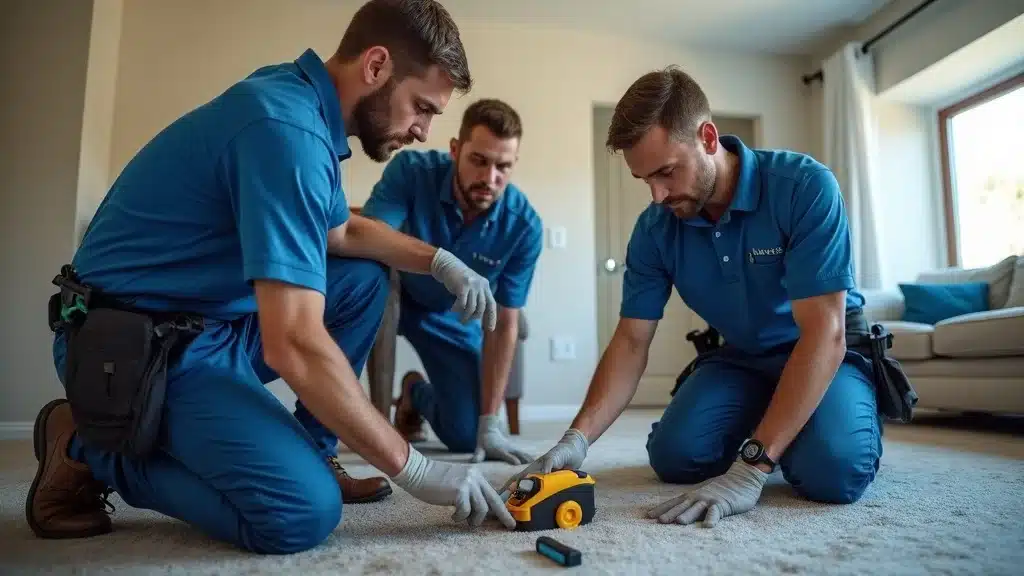
Process-focused water damage professionals at work, water damage cleanup, team evaluating damage, Columbia SC

Effective water damage cleanup is a step-by-step process. Each stage is designed to restore your property safely and thoroughly, according to industry standards and cleaning and restoration certification protocols. The process begins with a careful assessment and ends with your home or business returned to its best possible state, all while minimizing disruption and maximizing results.

Here’s what Columbia SC homeowners can expect from a true damage restoration team that adheres to the Institute of Inspection Cleaning and Restoration Certification (IICRC):

Step 1: Evaluation of Water Damage and Affected Area

The first step is a thorough evaluation of the **damaged area** and all **affected areas**. Restoration pros use moisture detectors, hygrometers, and thermal imaging to identify the full extent of water penetration, even in spots that look dry. This comprehensive assessment guides the customized action plan for your property, ensuring no moisture—and no risk—is overlooked. A careful inspection also sets the stage for working with your **insurance company**, providing documentation that streamlines your claim and secures proper coverage for your water damage repair.

At this stage, both visible and hidden damage are mapped out. This includes hardwood, subflooring, carpets, drywall, and insulation, as well as potential electrical or HVAC risks. The goal is to ensure each **affected area** is identified so no hidden water or potential mold growth is left behind.

Step 2: Standing Water Removal and Initial Water Cleanup

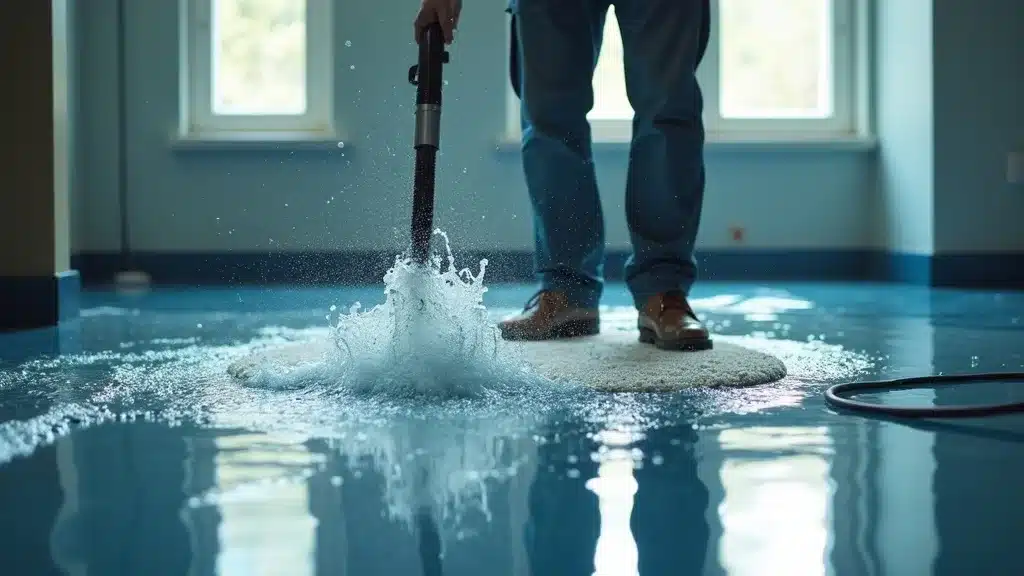
Action shot of industrial water extraction — Technician using a large water removal vacuum, water damage cleanup in Columbia SC

**Standing water** is the enemy of a swift and effective recovery. Professional teams utilize industrial water extraction equipment to quickly remove all visible water from flooring, carpets, and substructures. Portable or truck-mounted vacuums and powerful pumps make sure no lingering moisture remains, drastically reducing the risk of further **structural damage** and mold growth. This extraction and drying process is much faster and more reliable than household tools, and it sets the foundation for complete water cleanup.

Once **standing water** is gone, specialized drying equipment and dehumidifiers are strategically placed to draw out moisture trapped deep within walls, floors, and furniture. Addressing humidity in the **affected areas** at this phase is crucial: the faster moisture is removed, the lower the risk of microbial activity and secondary damage.

Step 3: Water Damage Restoration and Mold Growth Prevention

“Immediate action is the key to effective water damage repair and damage restoration.” — Restoration Pro

This vital step focuses on restoring the property’s structural integrity and eliminating any chance of lingering, invisible hazards. Technicians use specialized antimicrobial treatments to **prevent mold** and sanitize all **affected areas**—especially hidden spaces and high-risk materials. This stage also involves the removal of unsalvageable items (like saturated drywall or insulation) and targeted cleaning of furniture, fixtures, and air ducts, all essential to a healthy post-damage environment.

Proper airflow management and moisture monitoring continue throughout the process to ensure the property meets all industry standard moisture targets. Only through meticulous, certified methods can homeowners trust that their building is once again dry, safe, and free of conditions that promote mold growth or future structural complications.

Step 4: Restoration Process and Damage Repair

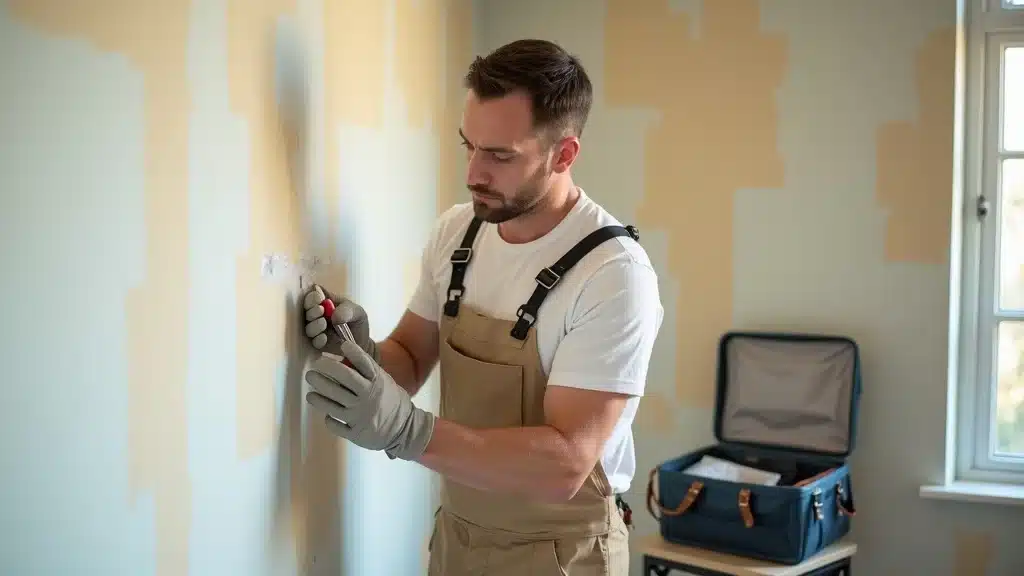
Experienced restoration technician repairing drywall after water damage, water damage cleanup, Columbia SC, restoration pro

Damage repair is when your house or business truly begins to look and feel like home again. Restoration professionals skillfully repair or replace damaged drywall, flooring, ceilings, and structural elements. This phase may involve painting, carpentry, flooring installation, and the restoration of custom finishes—restoring your property to pre-loss condition or better. By following a documented restoration process, your pros ensure nothing is missed, and every last detail meets your approval.

Reputable companies also work closely with your **insurance company** so that all repairs comply with policy standards, minimizing out-of-pocket costs for you wherever possible. You get peace of mind—and a fully restored property.

Step 5: Final Inspection and Insurance Documentation

Before declaring the job complete, your restoration team conducts a comprehensive final inspection. Using moisture meters and visual checks, they confirm that all **affected areas** are fully dry, repaired, and safe. You receive detailed documentation, including before-and-after photos, moisture logs, and itemized repair records—all in compliance with **industry standards** and insurance requirements.

This documentation not only gives you confidence in the job but also simplifies your claims process with your insurance provider, ensuring you receive the full support you deserve for your water damage repair and cleanup costs.

Common Water Damage Cleanup Mistakes to Avoid in Columbia SC

  • Delaying the water damage restoration process
  • Ignoring mold growth in affected areas
  • Attempting DIY water clean or damage cleanup without proper equipment
  • Not addressing standing water quickly

Why do so many homeowners struggle with water damage long-term? More often than not, it comes down to costly mistakes. Delaying the restoration process lets moisture penetrate deeper, often outpacing the capabilities of regular drying tools or home dehumidifiers. Ignoring signs of mold or relying solely on surface drying can invite ongoing mold growth and respiratory hazards. Attempted DIY **damage clean** or **water cleanup** without commercial equipment may leave behind residual moisture and hidden risks. And failing to quickly address **standing water** allows damage to escalate, increasing your expenses.

The best way to avoid these common pitfalls in Columbia SC is by contacting a certified professional the moment you detect a problem. Experts in water damage cleanup respond rapidly, prevent avoidable damage, and safeguard your investment for the long run.

Why Call a Water Damage Restoration Pro in Columbia SC

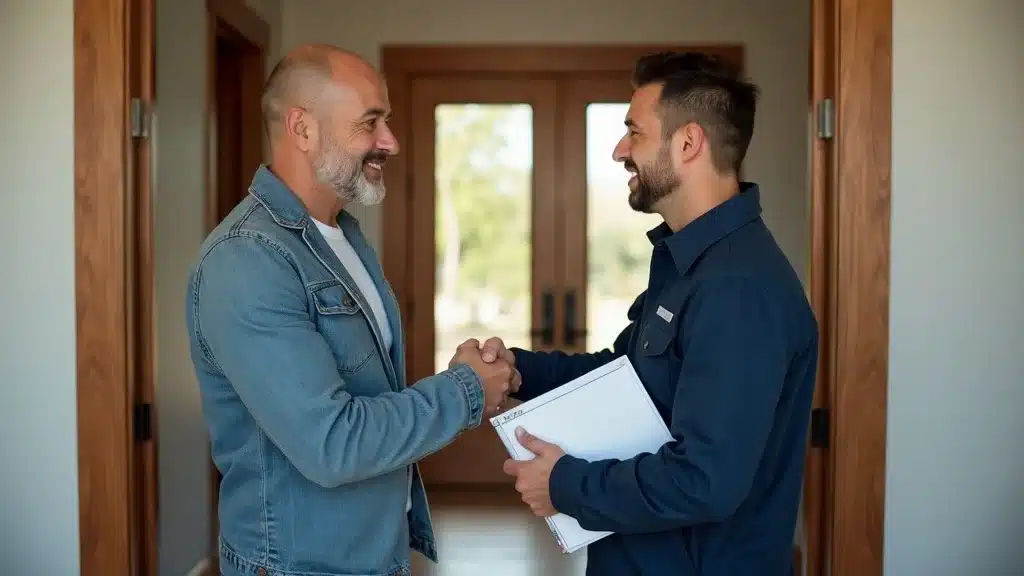
Reassuring homeowner shaking hands with professional water damage contractor — water damage restoration, Columbia SC, smiling, paperwork

Benefits of a Professional Water Damage Cleanup Team

  • Expert evaluation of all affected areas
  • Advanced water cleanup equipment
  • Mold prevention techniques
  • Thorough damage repair

Professional water damage cleanup firms offer much more than manpower. Their teams bring specialized training (often holding restoration certification), years of experience dealing with emergencies in Columbia SC, and powerful equipment designed for fast and deep water removal, drying, and deodorization. Most importantly, they have systems in place to prevent recurring problems—like mold growth or future leaks. From the initial **damage clean** and extraction to the final round of repairs, you get comprehensive care for your property’s needs.

Signs You Need Immediate Water Damage Restoration

  • Visible water stains or standing water
  • Musty odors indicating potential mold growth
  • Uneven flooring or warped walls
  • Increased humidity in affected areas

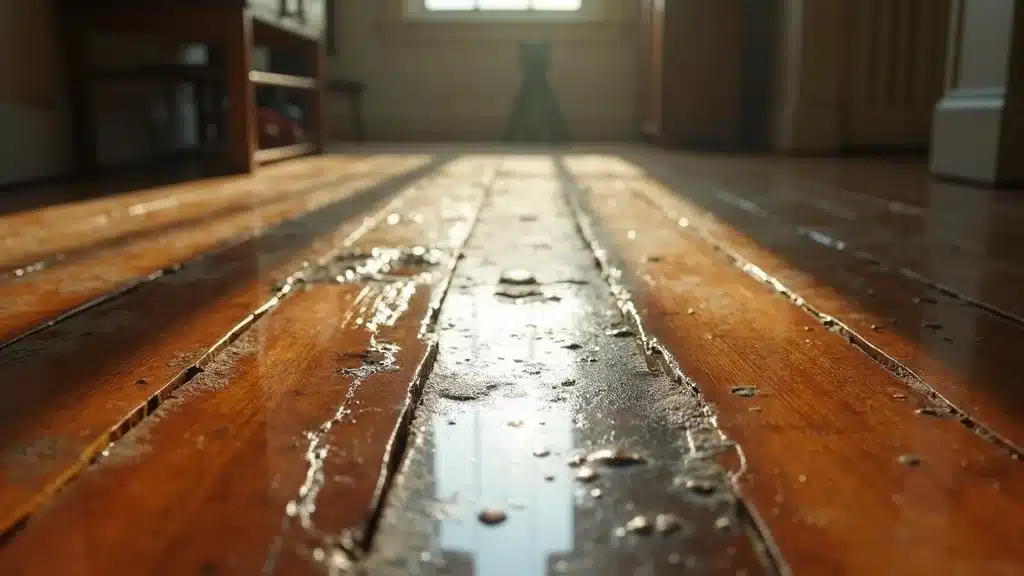
Closeup of water stains and warped floorboards—water damage in Columbia SC, photorealistic home hallway

Are you seeing water pooling on your floors, noticing unusual musty smells, or feeling a humid, sticky atmosphere inside your house? These are classic warning signs of serious water damage that needs urgent professional attention. It’s never wise to wait—acting promptly gives you the best chance at full, affordable recovery and protects your family’s health.

Uneven or soft flooring, buckling baseboards, and mysterious stains or peeling paint are all tell-tale signals of hidden water issues. If you’re in Columbia, SC and spot any of these red flags, reach out for damage restoration help right away to prevent more extensive repair costs and hazards down the line.

Top Questions About Water Damage Cleanup in Columbia SC

How much does it cost to clean up water damage?

Answer: Factors That Influence Water Damage Cleanup Cost

Conceptual image of budgeting for water damage — Water damage cleanup costs Columbia SC

The price for water damage cleanup in Columbia SC varies widely based on several factors: the size/location of the **affected area**, the cause (e.g., clean vs. contaminated water), duration of exposure, and whether there’s existing **mold growth** or **structural damage**. Minor leaks impacting small, accessible spaces may cost just a few hundred dollars. More complex losses involving multiple rooms, hazardous contaminants, or extensive repairs often range from $2,000–$10,000 or more. Most reputable companies offer free initial assessments and work with your insurance company to maximize your claim and minimize your out-of-pocket expenses.

How to clean up after water damage?

Answer: Step-by-Step Guide to Water Damage Cleanup

  1. Quickly shut off the water source, if safe.
  2. Contact a certified water damage restoration pro.
  3. Remove valuables, electronics, and important documents from the **damaged area**.
  4. Document all damage with photos for your insurance claim.
  5. Allow pros to perform industrial water extraction, drying, monitoring, and repairs—all according to industry standards and safety protocols.

It’s essential not to skip professional cleanup if the water has spread or soaked into building materials. DIY solutions almost never address hidden risks or deep moisture, increasing the chances of future mold and escalating repairs.

How likely is mold after water damage?

Answer: Mold Growth After Water Damage—Statistics and Solutions

Mold can develop after just 24-48 hours of untreated water damage, making it a virtually inevitable risk in most scenarios. According to industry estimates, up to 60% of buildings with a water loss event will develop some degree of microbial growth if not promptly dried. Effective **mold prevention** requires rapid water cleanup, advanced drying techniques, and professional-grade antimicrobial applications. Pros in Columbia SC monitor for high humidity and treat all **affected areas** to ensure zero recurrence.

Can water damage be repaired?

Answer: Water Damage Repair Explained

Yes—most water-damaged homes and businesses are fully restorable when you act quickly. Complete recovery involves not just **damage clean** but also careful **damage repair**: replacing or repairing flooring, drywall, insulation, and finishes as needed, followed by thorough cleaning and deodorizing. Only a full-service **restoration process** ensures property value, safety, and peace of mind for your family.

Water Damage Restoration Services: What to Expect

From Damage Clean to Full Water Damage Restoration Process

When you hire professional water damage restoration services in Columbia SC, you get more than a cleanup crew—you get a dedicated partner in your property’s recovery. From initial water removal and assessment to thorough drying, mold prevention, and expert repairs, the best teams guide you each step of the way. Their work adheres to the highest industry certification and safety protocols, maximizing your property’s value and minimizing stress or disruption for your family.

Service Areas Covered in Columbia SC—Are You in the Zone?

Columbia SC water damage experts typically serve all neighborhoods within Richland and Lexington counties, including Shandon, Forest Acres, Irmo, Cayce, and nearby communities. Rapid local response minimizes downtime and puts your property back on track fast! Not sure if you’re covered? Leading service providers are just a quick call or click away.

Water Damage Cleanup Timeline: What Happens Hour by Hour
Hour DIY Approach Professional Approach
1–2 Begin water removal with shop-vacs/towels Rapid assessment, industrial extraction
2–6 Attempt drying with household fans Deploy air movers/dehumidifiers, moisture monitoring
6–24 Monitor for visible mold, odors may develop Antimicrobial treatments, hidden moisture detection
24–48 DIY risk of missed moisture, mold likely Final dry-out, repairs begin—property safe

Preventing Water Damage: Proactive Steps for Columbia Homeowners

  • Regular maintenance and inspection
  • Fixing leaks immediately
  • Proper drainage systems

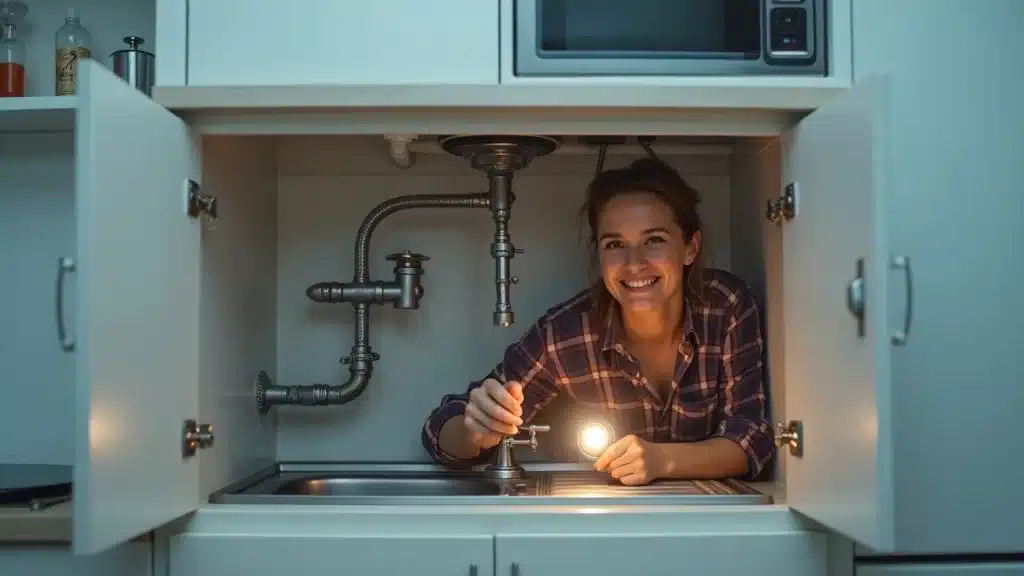
Optimistic homeowner inspecting plumbing under a kitchen sink, water damage prevention in Columbia SC, photorealistic, modern kitchen

Stopping water damage before it starts is always the smartest—and most affordable—move. Inspect your roof, plumbing, and appliances regularly, and have tiny leaks repaired without delay. Make sure your gutters, downspouts, and yard grading divert water well away from your foundation. Proactive steps and an annual inspection by a water damage restoration pro can save you thousands in emergency damage repair and give you total confidence—rain or shine.

Emergency Water Damage Cleanup: What To Do Right Now

  1. Shut off the water source
  2. Contact a water damage cleanup pro
  3. Remove any valuables from affected area
  4. Document the damage for insurance

“You only have hours, not days, to prevent costly water damage repair.”

The first moments after discovering water damage are crucial. Quickly stopping the flow, removing belongings, and calling a certified pro soon after can prevent worse property loss and give your insurance company the proof needed for a fast recovery. Don’t hesitate: every minute counts when it comes to water damage cleanup in Columbia SC!

Customer Success Stories: Real Damage Cleanup Recoveries in Columbia

Homeowners Share: What Water Damage Cleanup Did for Us

“After a hidden leak damaged our living room and led to moldy odors, the restoration pros arrived within hours. Their advanced drying equipment and meticulous restoration process saved our floors—and our peace of mind. Highly recommend!” — Patricia L., Forest Acres

“We tried to clean a flooded basement ourselves but underestimated the hidden damage. The professional team’s industrial drying and expertise with insurance paperwork got us back to normal fast—and even repaired our warped walls.” — Jared W., Downtown Columbia

FAQs on Water Damage Cleanup in Columbia SC

How fast can a water damage cleanup team arrive in Columbia?

Most certified pros in Columbia SC provide 24/7 emergency service with response times as fast as 60–90 minutes. Their rapid arrival minimizes damage and ensures a faster restoration process.

Will water damage cleanup services work with my insurance?

Yes! The best water damage cleanup companies coordinate directly with your insurance provider, supplying the documentation and evidence needed to make your claim as smooth and successful as possible.

What are the health risks of untreated water damage?

Untreated water damage can trigger dangerous mold growth, respiratory illness, skin irritation, and long-term exposure risks for allergen-sensitive individuals. Rapid water cleanup and mold prevention techniques are essential for a safe living environment.

Key Takeaways: Simplifying Water Damage Cleanup and Restoration

  • Rapid response is essential for water damage cleanup and restoration
  • Professional water damage restoration ensures full recovery
  • Avoid costly mistakes—know when to call a pro
  • Columbia SC water damage experts can handle every step, from water cleanup to repair

Ready for Professional Water Damage Cleanup?

Connect with the Water Damage Experts in Columbia SC for Immediate Help Today:Water Damage Experts in Columbia

Conclusion

Fast, professional water damage cleanup is your best strategy to protect your health and investments—contact the Columbia SC pros today for total peace of mind.

If you’re interested in learning how water damage and mold issues are being addressed in neighboring communities, you’ll find valuable insights in the experiences of West Columbia residents. Discover how proactive restoration and prevention strategies are making a difference by visiting the West Columbia SC resource hub. Exploring these broader regional trends can help you anticipate potential risks and adopt best practices for your own property. Take the next step in safeguarding your home by staying informed about the latest solutions and success stories from across the Midlands.

Sources

To further strengthen your knowledge on handling water damage and mold-related issues, explore Columbia SC Mold Removal: Professional Mold Remediation & Removal Services. This resource provides a comprehensive look at expert-led mold remediation practices specifically tailored for the Columbia area, offering practical tips on prevention and the benefits of professional restoration. Additionally, the Palmetto Mold Experts Facebook page keeps you updated on local success stories, emergency tips, and community responses to mold and water damage emergencies. If you’re serious about water damage cleanup, these resources will give you the in-depth guidance and local insights you need for effective and lasting results.

Basement Water Extraction: Fix the Problem Before It Grows in Columbia SC

Mr. Water Damage Water Damage Restoration
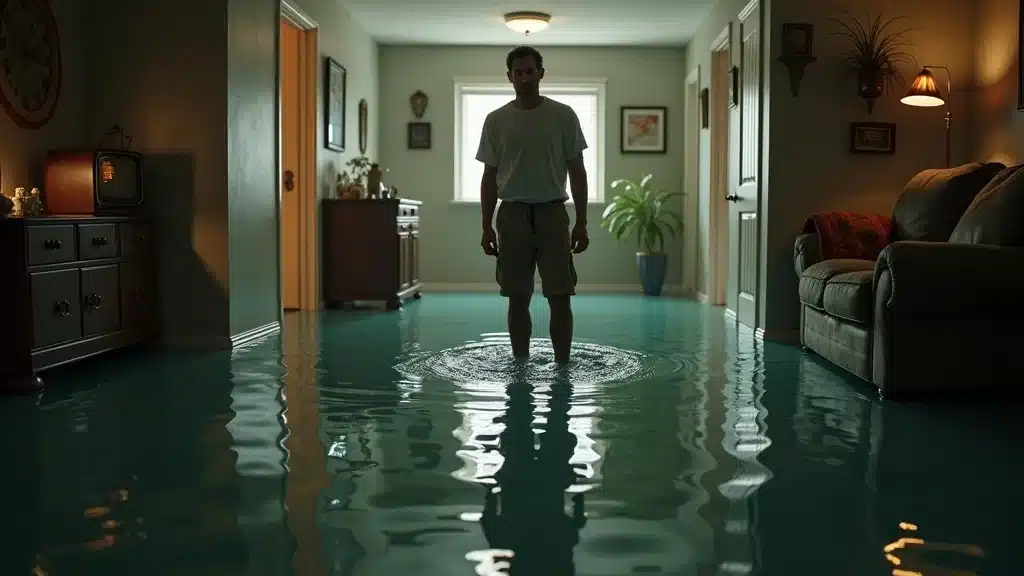
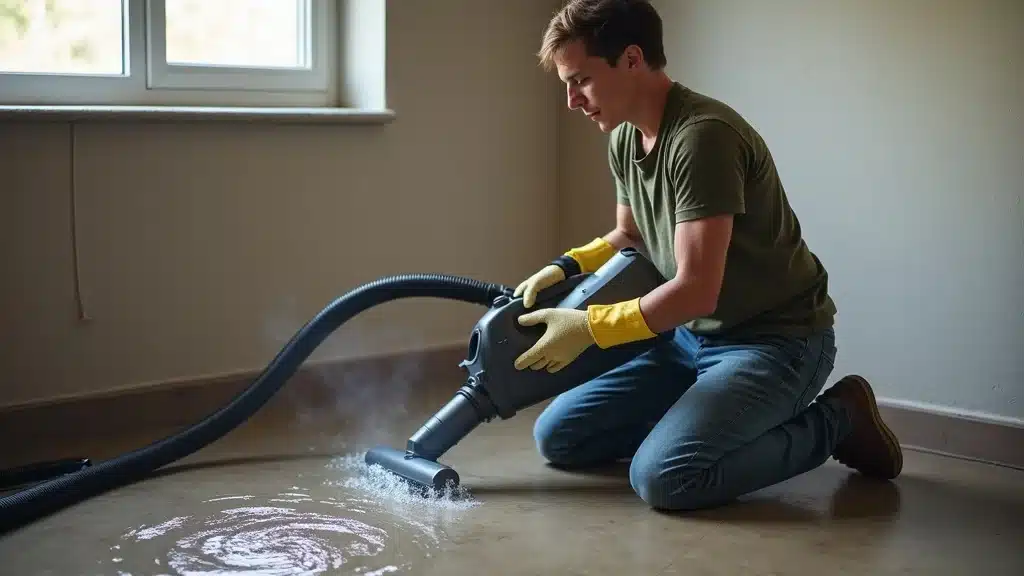
A man stands in the middle of a living room partially flooded with water, surrounded by furniture and decor. Light comes through a window behind him, reflecting off the water’s surface.

Did you know that just one inch of water in your basement can cost you up to $25,000 in damage? Basement water extraction isn’t just a chore—it’s an urgent need, especially if you’re a homeowner in Columbia, SC. Ignore the early warning signs, and you risk turning a small problem into a major financial nightmare. In this guide, you’ll find the expert-backed strategies and step-by-step advice you need to quickly remove water, tackle flood cleanup, and safeguard your home from costly disaster.

A Rising Threat: Why Basement Water Extraction in Columbia SC is More Urgent Than You Think

“According to FEMA, just one inch of water in your basement can cost up to $25,000 in damage. Addressing basement water extraction early can prevent catastrophic losses.”

The threat of basement flooding in Columbia, SC is a reality that many homeowners simply can’t afford to ignore. With every passing rainstorm or unexpected plumbing failure, the risk of a flooded basement escalates. Prompt water removal is your best line of defense—not only to prevent immediate loss but to halt long-term dangers like mold growth, structural damage, and even future insurance claim denials. Acting quickly with a structured basement water extraction plan ensures that you control the narrative, not the water.

When water starts creeping in, whether due to severe flooding, a burst pipe, or a faulty sump pump, every second you wait compounds the risk. Water seeps into the concrete floor, saturates basement walls, and within hours, begins to deteriorate your home’s integrity. Fast, effective flood cleanup and extraction can mean the difference between a swift recovery and ongoing headaches—like insurance complications or costly repairs for both visible and hidden damage.

Dramatic flooded residential basement during water removal, showing a concerned homeowner and visible water damage after a basement flood in Columbia SC

What You’ll Learn About Basement Water Extraction

  • How to identify signs of a basement flood
  • Step-by-step basement water extraction process
  • Flood cleanup best practices specific to Columbia SC
  • When to call in professionals for water removal
  • Insurance cover considerations for flooded basements

Understanding Basement Flooding and Water Removal Challenges

Many Columbia homeowners discover basement flooding when it’s already too late. The challenges posed by sudden water damage extend well beyond just the standing water; knowing what you’re up against is half the battle. From heavy rain that overwhelms sump pumps to silent leaks in the concrete floor, the variety of basement flood causes demands a tailored water removal strategy.

Once water damage takes hold, it doesn’t just affect furniture or storage—it attacks the very bones of your house. Lingering moisture can soften supports, rot wood, and foster environments ripe for mold growth and structural risks. Columbia, with its fluctuating water table and seasonal storms, requires every homeowner to be vigilant, informed, and proactive about flood cleanup and future prevention.

If you’re concerned about the potential for mold after a basement flood, it’s wise to learn about professional mold removal and remediation services in South Carolina. Addressing mold early can help prevent long-term health issues and further property damage.

Common Causes of Basement Floods in Columbia SC

  • Heavy rainfall and severe flooding
  • Faulty sump pump or sump pumps failure
  • Cracked concrete floor or foundation
  • Improper drainage systems

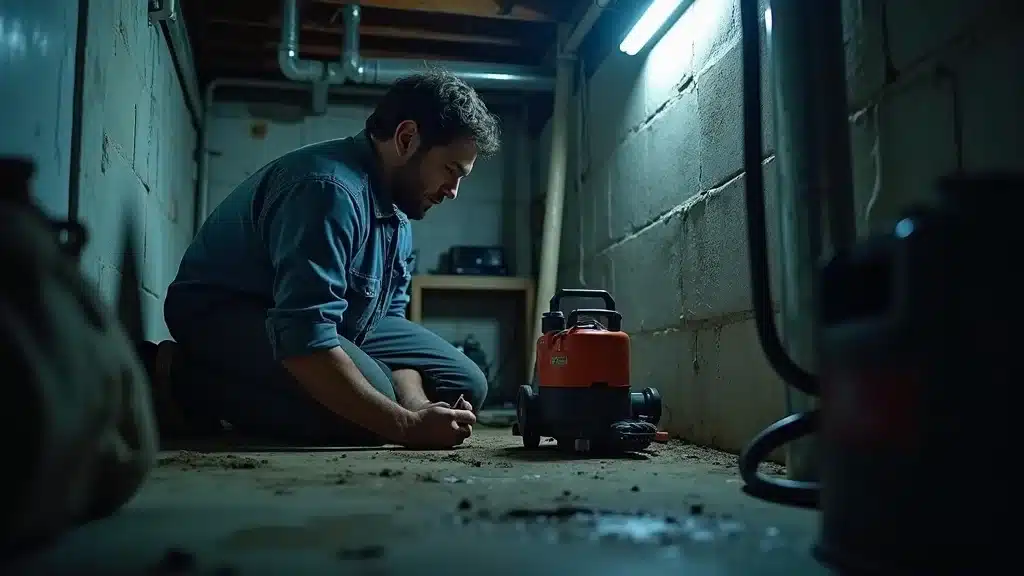
Homeowner inspecting sump pump for failure and water entry after basement flood in Columbia SC

The Rapid Impact of Water Damage on Structures

  • How water damage escalates
  • Potential for structural damage and mold growth
  • Importance of fast water removal

The effects of a flooded basement move fast: moisture soaks into walls, the concrete floor weakens, and toxic mold growth begins. Without immediate action, even minor water damage can cause thousands in structural damage and lead to unsafe living conditions. This is why fast water removal isn’t just a recommendation—it’s a necessity for every Columbia homeowner facing a basement flood.

Delays in extraction can lead to irreparable losses, extensive drying process costs, and even complications with insurance cover. Mold spreads quickly in damp, dark areas, threatening health and increasing remediation expenses. Investing in prompt, effective basement water extraction is one of the most cost-effective ways to protect your home and your family’s future.

Basement Water Extraction Solutions: Step-By-Step Guide

  1. Turn off electricity for safety during water extraction
  2. Assess extent of basement flooding and locate water entry
  3. Use a water pump or wet/dry vacuum to remove water
  4. Dispose of unsalvageable items and start flood cleanup
  5. Dry out basement with fans and dehumidifiers
  6. Sanitize and prevent future basement floods

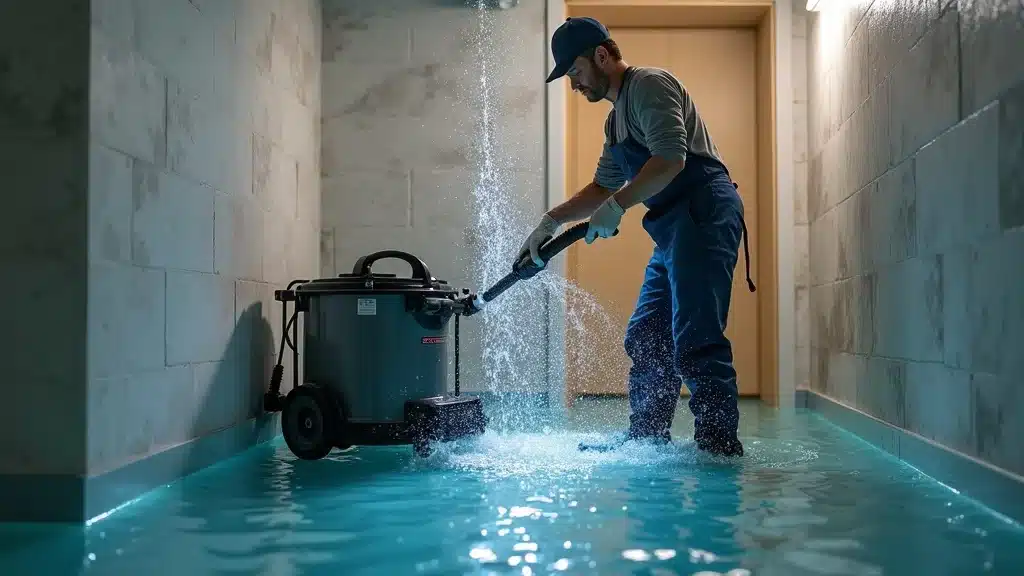
Technician removing water from a semi-submerged basement in Columbia SC using advanced water extraction equipment

Step 1: Immediately turn off electricity before entering any flooded basement. Water and power do not mix—be safe, not sorry. Step 2: Evaluate the extent of basement flooding and trace the source: is it a burst pipe, sump pump failure, or outside stormwater? Knowing the cause helps you halt further damage. Step 3: Use a high-powered water pump for severe flooding or a wet/dry vacuum for shallow water to remove water fast. Step 4: Discard ruined items—especially porous materials like carpets and drywall, which trap moisture and foster mold growth. Step 5: Begin the drying process immediately: run fans and dehumidifiers around the clock to drive out hidden moisture from the basement walls and floors. Step 6: Sanitize every affected area, including concrete floor and visible surfaces, to prevent mold growth and eliminate health risks. Finishing strong not only restores your basement but also helps prevent future basement floods in Columbia.

Choosing the Best Equipment for Basement Water Extraction

Step Notes Recommended Tool
Initial Water Removal Best for severe basement flooding Water pump / Sump pump
Detailed Extraction For smaller pools of water Wet/dry vacuum
Flood Cleanup Prevents structural damage & mold Industrial fans & dehumidifiers

Using the right tool at the right stage of the basement water extraction process can speed up recovery, limit water damage, and save significant costs. While a water pump or sump pump handles the heavy lifting for major flooded basements, a wet/dry vacuum excels at removing smaller, stubborn puddles. Pairing these with high-grade industrial fans and dehumidifiers ensures your concrete floor and basement walls are dry, clean, and mold-free.

Professional Water Removal versus DIY Basement Flood Cleanup

Deciding between a DIY approach and calling the professionals boils down to the severity of your basement flood and your comfort with the water removal process. Small leaks or minor seepage might be manageable with store-bought equipment and patience, while significant flooded basement situations—especially those threatening structural damage or contaminating your space—call for expert intervention. Water damage experts come equipped with industrial-grade tools and proven safety protocols, maximizing both speed and effectiveness.

Remember, tackling a basement flood yourself often demands substantial time, physical effort, and risk. Professionals understand the hidden threats: unseen moisture, chemical contaminants, and the full spectrum of insurance needs. They ensure the removal process and subsequent drying process comply with local codes in Columbia, and their expertise can make all the difference in reducing final water damage costs.

When to Call in Water Damage Experts

  • Widespread basement flood or severe flooding
  • If you lack equipment for safe water removal
  • Detection of potential structural damage

What to Expect from Professional Flood Cleanup Services

  • Full inspection and water damage assessment
  • Advanced basement water extraction and drying
  • Assistance with insurance cover and claims

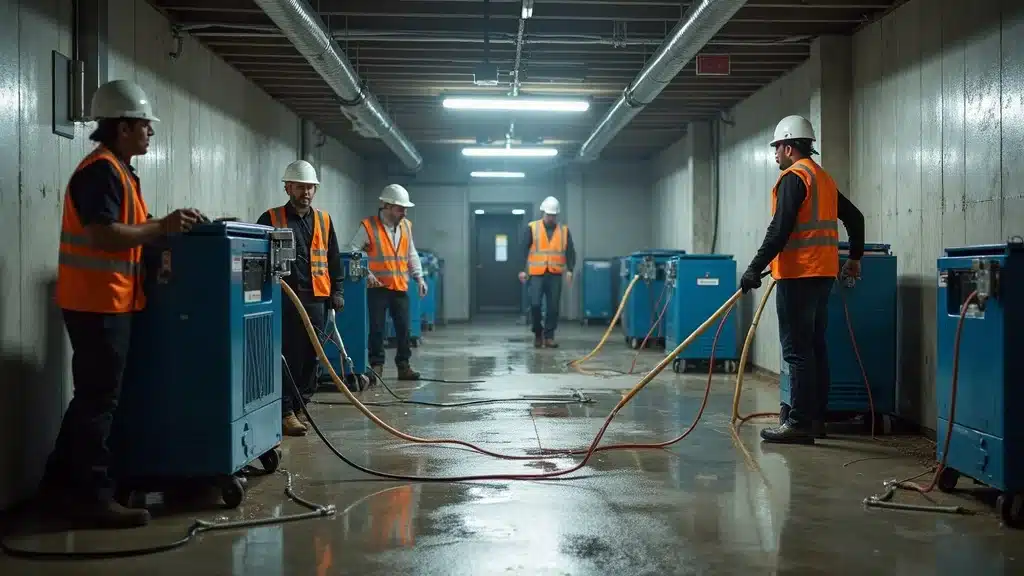
Professional water removal team using industrial dehumidifiers for basement flood cleanup in Columbia SC

Basement Water Extraction Tips to Prevent Future Flooding

  • Regular maintenance of sump pump and drainage systems
  • Seal cracks in concrete floor and foundation
  • Install a backup sump pump for emergencies
  • Ensure proper landscaping to direct water away

Avoid repeat disasters with proactive strategies. Regular maintenance of your sump pump and the installation of a reliable backup can mean the difference between a dry basement and another surprise flooded basement. Inspect your concrete floor and foundation for cracks, sealing them before they become water’s entry ticket. Lastly, ensure that your landscaping or gutter system directs rainwater away from your home’s perimeter to prevent future basement floods.

Columbia SC Basement Flooding: Unique Local Challenges

“Frequent rainstorms and high water tables make prompt basement water extraction vital for Columbia homeowners.”

Columbia, SC may boast Southern charm, but its geography and climate present tough conditions for basement water extraction. The region’s heavy, seasonal rainfall and naturally high water tables put homes at frequent risk. Local homes, especially older ones with vulnerable concrete floors or underdeveloped drainage, are particularly susceptible—and quick mitigation is absolutely essential to protect your basement from costly water damage.

To succeed here, you need a blend of regional know-how and precision. Understanding your risk, upgrading your sump pump, and having an emergency water extraction plan ready ensures that when severe weather strikes, your home isn’t left waterlogged. Working with local water removal experts means tapping into their experience with Columbia’s specific flooding problems—including how to file insurance cover claims effectively.

Columbia SC home during heavy rain, homeowner checking for potential basement flooding to prompt water extraction

Insurance Cover for Basement Floods in Columbia

  • What homeowners insurance covers for basement flooding
  • Steps to take for flood cleanup and insurance claims

If you’re dealing with a basement flood, understanding your insurance cover is critical. Homeowners insurance usually does not cover water damage from outside flooding or high water tables, requiring flood insurance for such events. However, if your flooded basement happened due to internal issues like a burst pipe or sump pump failure, you may be eligible for compensation. Always photograph damage, act fast on flood cleanup, and keep clear records for your insurer.

People Also Ask: Common Questions About Basement Water Extraction

How much does it cost to get water pumped out of a basement?

Answer: Costs for basement water extraction typically range from $1,000 to $3,500 depending on the extent of the flooding, severity of water damage, and whether a professional service is hired in Columbia SC.

How to extract water from a basement?

Answer: Start by turning off electricity, then use a water pump or wet/dry vacuum for water removal, followed by thorough flood cleanup, drying, and sanitization.

Homeowner carefully using wet/dry vacuum for water removal in a Columbia SC basement during flood cleanup

Who can remove water from a basement?

Answer: Homeowners can attempt DIY basement water extraction for minor floods, but professional water removal companies are recommended for severe flooding or extensive water damage.

How much does Servpro cost for a flooded basement?

Answer: Servpro’s costs for flooded basement water extraction and flood cleanup in Columbia SC generally start at $2,500 and can be higher based on damage severity and service level.

Frequently Asked Questions on Basement Water Extraction

  • How quickly must basement water extraction occur to prevent structural damage?
    For best results, start water removal within 24–48 hours after a flood to prevent structural damage and dangerous mold growth.
  • Should I use bleach during flood cleanup to prevent mold?
    Cleaning with bleach is sometimes recommended for hard, non-porous surfaces, but always use with caution—never mix with other chemicals, and follow up with proper drying and ventilation to prevent mold.
  • Will homeowners insurance always cover basement flooding in Columbia SC?
    Not always—standard homeowners insurance in Columbia does not typically cover flooding from outside sources or severe weather. You may need a separate flood insurance policy for full protection.
  • Is regular maintenance enough to prevent future basement floods?
    Regular maintenance of sump pumps, gutters, and drainage is crucial, but in Columbia’s climate, sometimes additional measures (like sealing cracks or installing landscaping solutions) are necessary.

Key Takeaways: Prevent Costly Flood Damage with Proactive Basement Water Extraction

  • Immediate water removal is critical for minimizing damage
  • Professional flood cleanup prevents health hazards and saves money
  • Insurance cover and regular maintenance are essential for peace of mind

If You Need Fast, Professional Basement Water Extraction in Columbia, Contact the Local Water Damage Experts

Conclusion: Don’t wait for water damage to escalate—take action today for a safer, drier, and more secure basement tomorrow.

If you’re ready to take your home protection to the next level, consider exploring the full range of mold remediation and testing solutions available in South Carolina. By understanding advanced remediation techniques and proactive testing, you can ensure your basement—and your entire home—remains healthy, safe, and resilient against future water or mold threats. Dive deeper into expert resources to empower your next steps in home care and disaster prevention.

Sources

For in-depth guidance on post-flood health and safety in your home, check out Columbia SC Mold Removal & Remediation Experts, which offers expert insight into effective mold remediation solutions and practical tips for maintaining a safe environment after basement water extraction. To stay updated and connect with local professionals for ongoing advice, follow Palmetto Mold Experts on Facebook for timely updates, community resources, and answers to common water damage concerns. If you’re serious about preventing future damage and ensuring a thorough recovery, these resources will give you essential knowledge and support tailored to Columbia homeowners.

Mold Remediation Services That Truly Solve Your Problems in Columbia SC

Mr. Water Damage Water Damage Restoration
A man using a cleaning tool on a white wall with black mold stains in a bright, modern living room with plants and a coffee table in the background.

Did you know that over 50% of homes in humid climates like South Carolina will face mold issues at some point? For families in Columbia SC, professional mold remediation services aren’t just a luxury—they’re a necessity for protecting your property and health. In this comprehensive guide, you’ll discover why acting quickly makes all the difference, the crucial steps top experts take to eradicate mold, and how you can get lasting relief from stubborn moisture and mold problems.

“Over 50% of homes in humid climates like South Carolina will experience mold issues at some point. Professional mold remediation services are essential for lasting relief.

Concerned homeowner inspecting visible mold on a white interior wall during mold remediation services in Columbia SC

Startling Mold Statistics: Why Mold Remediation Services Matter in Columbia SC

Comprehensive studies reveal that mold is an incredibly common and underestimated threat for homes in Columbia, SC. Due to the high levels of humidity and frequent storms, South Carolina homes are especially susceptible to water damage and ongoing moisture—both prime conditions for rapid mold growth and hidden colonies. In fact, recent research shows that over half of all homes in the region will encounter a mold problem at some stage. And yet, not all homeowners realize the potential health risks and property devaluation caused by delays in mold removal and remediation.

The consequences of untreated mold reach far beyond visible mold stains. Mold spores can contaminate indoor air, triggering allergic reactions, asthma, and serious respiratory conditions. More troubling is the fact that many cases of mold damage begin in places you can’t see—under flooring, inside drywall, or HVAC units. That’s why professional mold remediation services are vital: only trained experts with specialized equipment can conduct a detailed mold inspection, perform systematic mold testing, and deliver proven, long-term removal and remediation solutions. If you suspect mold in your home or business, acting quickly is the most effective way to protect your family and safeguard your investment.

For a deeper look at the specific steps involved in mold removal, including testing and remediation tailored to South Carolina’s climate, you can explore the comprehensive guide on mold removal, remediation, and testing in South Carolina. This resource breaks down the process and offers practical tips for homeowners facing mold challenges.

What You’ll Learn About Mold Remediation Services and Mold Removal

  • The scope and benefits of expert mold remediation services in Columbia SC
  • Differences between mold removal and remediation
  • How mold testing and mold inspection ensure a thorough mold test and mold cleanup process
  • Key steps in the removal and remediation process
  • Realistic costs, timelines, and results you can expect from mold remediation services

Understanding Mold Remediation Services: What Sets Our Removal Services Apart

Choosing the right mold remediation provider in Columbia SC isn’t just about removing unsightly patches on walls—it’s about ensuring the health, safety, and value of your property for years to come. Our team of certified experts is trained in advanced mold testing, using state-of-the-art technology for mold inspection and testing suited to the region’s unique climate and construction styles. This approach enables detection of both visible mold and hidden colonies lurking behind walls or within air ducts.

What truly distinguishes professional remediation services is their focus on addressing root causes. Rather than just remove mold, we trace moisture sources, treat mold damage, and implement lasting solutions to improve indoor air quality. This comprehensive method doesn’t just deliver a “quick fix”—it aims to prevent future outbreaks, offer peace of mind, and ensure your space is safe for your family, employees, or clients.

The Mold Remediation Process: Mold Testing, Mold Inspection, and Mold Cleanup

  • Comprehensive initial mold test and mold inspection
  • Indoor air quality assessment and addressing mold damage
  • Advanced techniques in mold removal and remediation
  • State-of-the-art mold cleanup and prevention

From the first mold test to post-remediation verification, every stage is planned with precision and transparency. The process begins with a thorough assessment: certified technicians conduct visual checks and use sensitive equipment to measure moisture and spore presence. During mold inspection and testing, samples may be collected from air and surfaces, providing lab-verified data to target the problem areas accurately. An indoor air quality assessment follows, flagging risks that aren’t always visible.

When it comes to mold removal, protective barriers and advanced filtration devices—like HEPA air scrubbers—are used to stop cross-contamination and ensure a safe environment. Experienced teams use professional-grade antimicrobials to treat surfaces and underlying structures, followed by careful cleaning, discarding unsalvageable materials, and returning your property to optimal, healthy conditions. The final step: another round of mold testing guarantees everything meets industry safety standards, cementing confidence that the job’s been done right.

Professional mold inspector performing mold testing and air quality assessment in a Columbia SC home

Mold Testing, Mold Removal, and Remediation Services Explained

To make informed decisions about mold remediation services, it’s important to understand the different phases—each tailored to Columbia SC’s frequent humidity and flood events. Mold testing identifies hidden problems, while mold removal provides targeted action to eliminate colonies, and remediation services address both source and prevention. See the table below for a straightforward comparison:

Service Features Benefits Processes
Mold Testing Air and surface sampling, lab analysis, moisture detection, spore count measurement Identifies hidden mold; determines severity and clean-up scope Initial inspection, sample collection, laboratory analysis, reporting
Mold Removal Physical removal of visible mold colonies; targeted disinfection Immediate relief from unsightly growth and odor; reduces health risks Containment, removal of contaminated materials, cleaning and disinfection
Mold Remediation Comprehensive approach: source tracing, air quality improvement, moisture control, prevention strategy Long-term solution; prevents recurrence; protects property value and health Root-cause analysis, full removal, structural drying, preventative treatments, follow-up testing

Mold Remediation vs. Mold Removal: Which Solution Is Right for You?

It’s common for homeowners to wonder if basic mold removal services are enough or if they should invest in full remediation services. While mold removal provides fast relief by eliminating visible mold, it doesn’t always address the moisture issues and hidden spores that drive future infestations. Mold remediation, on the other hand, not only removes what you see but also tackles hidden threats, repairs water-damaged sites, and proactively safeguards your indoor air.

For homes in Columbia SC exposed to recurrent humidity, storm damage, or prior flooding, comprehensive removal and remediation are the gold standard. They deliver peace of mind that you’re not only removing surface mold, but also investing in your family’s health and the long-term value of your largest asset. Our local remediation services use advanced diagnostics, cutting-edge treatments, and continuous education to stay ahead of evolving best practices.

Removal and Remediation: Key Differences for Columbia SC Homeowners

  • When to choose mold remediation vs. mold removal
  • How our remediation services deliver long-term indoor air safety

If you have a small, isolated patch of visible mold and no underlying water leaks, removal might suffice. For homes with chronic leaks, musty odors, lingering allergy symptoms, or a previous history of mold damage, mold remediation is the best investment. Our trained professionals address the root moisture problems, stop the spread of spores, and ensure your home meets the highest standards of indoor air quality.

We deploy thorough mold test procedures and continuous monitoring strategies to confirm remediation success. Our local expertise in Columbia SC means we understand what it takes to maintain safe, healthy environments—delivering results that protect your property for years.

Remediation professional applying antimicrobial solution during mold remediation services in Columbia SC basement

Mold Damage and Indoor Air Quality: Protecting Your Family with Mold Cleanup

Unchecked mold can compromise structural integrity and threaten your family’s health by polluting indoor air quality with mold spores and toxins. Even minor mold damage can set off severe reactions in sensitive individuals, from allergies and skin irritation to chronic respiratory issues. This is why robust mold cleanup and remediation are non-negotiable for anyone serious about maintaining a safe living or working space in Columbia SC.

“Effective mold remediation services don’t just remove mold—they safeguard your indoor air and your health for years to come.”

Professional teams go beyond mere cleaning; they use industrial air scrubbers, dehumidifiers, and EPA-approved solutions to ensure a lasting solution. By verifying spore levels post-cleanup, they eliminate the risk of recurrence and leave your household breathing easier. This investment in mold cleanup not only removes current health risks but also protects against future outbreaks—offering a healthier, more comfortable home or business.

Watch how a Columbia SC home is restored with step-by-step professional mold remediation services—from mold inspection to post-cleanup air quality testing. Clear, informative, and designed for homeowners.

How Much Do Mold Remediation Services Cost in Columbia SC?

Many property owners hesitate to call for professional help because they aren’t sure about the cost of mold remediation services. But understanding the factors involved can clarify your decision and help you budget for the most effective solution. While there’s no one-size-fits-all answer, most reputable companies in Columbia SC are transparent about their pricing.

The cost of effective mold removal and remediation varies with the size and type of your property, the extent of mold damage, and the required cleanup procedures. Costs can range from $500 for small, isolated issues to over $5,000 for extensive infestations or significant structural damage. It’s important to remember that investing in quality remediation services protects your property’s value and avoids far more costly repairs in the future.

How Much Does Mold Remediation Generally Cost?

Generally, a basic mold test and visual inspection may start as low as $200 to $300, while a full mold remediation project averages between $1,000 and $3,000 for moderate-sized homes in Columbia SC. Large properties or severe mold damage can push costs higher—but the expense is justified by the restoration of safe indoor air and property value. Reputable providers will offer a detailed quote after a comprehensive assessment, ensuring you are only paying for the removal and remediation your property needs.

How Much Does It Cost to Get Rid of Mold?

  • Average price ranges for mold remediation services
  • Cost factors: property size, mold damage extent, and mold cleanup needs

The final bill for mold removal services depends on multiple factors. Small, contained incidents with minimal mold growth may only cost a few hundred dollars to resolve, especially if you act quickly before extensive water damage occurs. On the other hand, advanced outbreaks requiring structural repairs and specialized cleaning can escalate costs, particularly if mold has reached HVAC systems or caused damage behind walls. Always request a written quote and ensure your provider details every stage—from inspection and testing to final air quality checks—for complete peace of mind.

Financial advisor explaining mold remediation services costs to Columbia SC homeowner

People Also Ask: Mold Remediation Services FAQ

What is the difference between mold removal and remediation?

Answer: Mold removal is the process of eliminating visible mold growth, while mold remediation involves a comprehensive approach that addresses mold’s root causes, repairs mold damage, and prevents recurrence.

What kills 100% of mold?

Answer: Complete mold eradication requires specialized products and methods implemented by professional mold remediation services. No over-the-counter product can guarantee 100% removal without thorough inspection and follow-up.

Why Choose Our Mold Remediation Services for Your Columbia SC Property?

  • Certified and experienced mold remediation experts
  • Latest mold test equipment and remediation technology
  • Focus on safety, transparency, and lasting indoor air quality

Our locally-based team brings years of hands-on experience and advanced mold remediation training specifically tailored for homes and businesses in Columbia SC. From initial mold inspection and testing to final mold cleanup, we use only the safest, most effective solutions. We also believe in total transparency—providing homeowners with step-by-step updates, detailed reports, and comprehensive warranties that ensure your satisfaction long after the job is done.

Certified mold remediation team providing removal services in Columbia SC

Discover how Columbia SC homeowners and businesses have transformed their spaces with our proven mold remediation and cleanup services—real stories, real results.

Key Takeaways for Mold Remediation Services in Columbia SC

  • Professional mold remediation services are crucial for effective and enduring mold removal
  • Accurate mold testing and prompt mold cleanup preserve property value and health
  • Hiring certified remediation services ensures the highest standards of safety and results

FAQs About Mold Remediation Services in Columbia SC

  • How long does the mold remediation process take?
    Most residential mold remediation projects in Columbia SC are completed within 2–5 days. Severe mold damage, large properties, or significant water damage may require a week or longer to ensure every area is restored and post-remediation testing confirms safe conditions.
  • Are your remediation services covered by insurance?
    Many homeowner and property insurance policies include coverage for mold remediation services when the cause is sudden and accidental (like water damage from broken pipes). Check with your provider and ask us for guidance on filing claims—we’re here to help you navigate the process!
  • Do you offer emergency mold cleanup and removal services?
    Yes, our team offers 24/7 emergency response for urgent mold problems throughout Columbia SC and surrounding areas—minimizing health risks, preventing spread, and delivering rapid, safe cleanup.

Happy Columbia SC family enjoying healthier indoor air after professional mold remediation services

Ready to Solve Your Mold Problems? Contact the Water Damage Experts in Columbia

Conclusion

Don’t let mold compromise your comfort or investment—choose Columbia SC’s trusted mold remediation services for reliable results, restored air quality, and long-term peace of mind.

If you’re ready to take the next step in protecting your home, consider expanding your knowledge with a broader overview of mold removal, remediation, and testing services across South Carolina. This in-depth resource covers not only the essentials for Columbia SC, but also advanced strategies and statewide best practices to help you stay ahead of mold issues before they start. By understanding the full spectrum of solutions available, you’ll be empowered to make informed decisions and ensure a healthier, safer environment for your family or business.

Sources

For additional insights and practical details tailored to your region, check out Columbia SC Mold Removal & Remediation Services, which outlines the step-by-step process and advanced methods used to tackle mold in Columbia homes. You may also find the Palmetto Mold Experts Facebook page helpful for up-to-date service announcements and testimonials from local customers. If you’re serious about effective mold remediation services, these resources will give you the clarity and confidence to make informed decisions for the health and value of your property.